Discover 20 indoor plants that thrive in direct sun, from croton to aloe vera, plus how to test your room’s light and care for sun-loving plants.”
- Best true high-light plants: Croton, Yucca, Jade Plant, Ponytail Palm, Aloe Vera, and most cacti and succulents
- What to avoid: Any plant with thin, delicate leaves labeled “low light” at the store — it will not survive a south-facing windowsill in July
- What this guide covers: Exactly which plants belong in your sunniest room, and how to check if your room even qualifies as “high light” in the first place
That last part matters more than most plant guides admit. A lot of people buy a sun-loving plant, place it in a room they think is bright, and watch it struggle anyway. The room wasn’t the problem. Their idea of “bright” was.
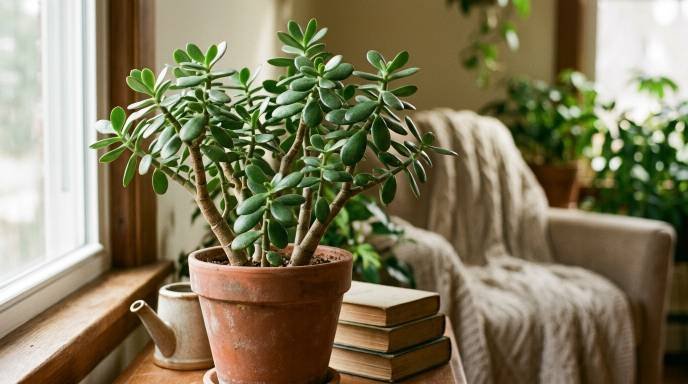
“What High Light Really Means (And Why Most Plant Guides Explain It Wrong)”
Here’s where a lot of plant advice falls apart: “bright,” “sunny,” and “high light” get used like they mean the same thing. They don’t.
- Low light — a room with no direct sun exposure and limited natural brightness. Imagine an inside room with a small north-facing window (Northern Hemisphere).
- Bright indirect light — a room that gets plenty of daylight, but the sun’s rays never actually touch the leaves. A spot a few feet back from a sunny window, or a room with sheer curtains, usually falls here.
- High light / direct sun — unfiltered sunlight physically lands on the plant’s leaves for a meaningful chunk of the day, generally four or more hours.
That four-hour mark isn’t a random number. Horticultural extension programs, including guidance published by North Carolina State University’s Extension Gardener resource, classify high light using these benchmarks:
- Gets about 4 to 6 hours or more of direct sunlight each day.
- Usually through an unobstructed south- or west-facing window in the Northern Hemisphere
- Or a north- or west-facing window in the Southern Hemisphere
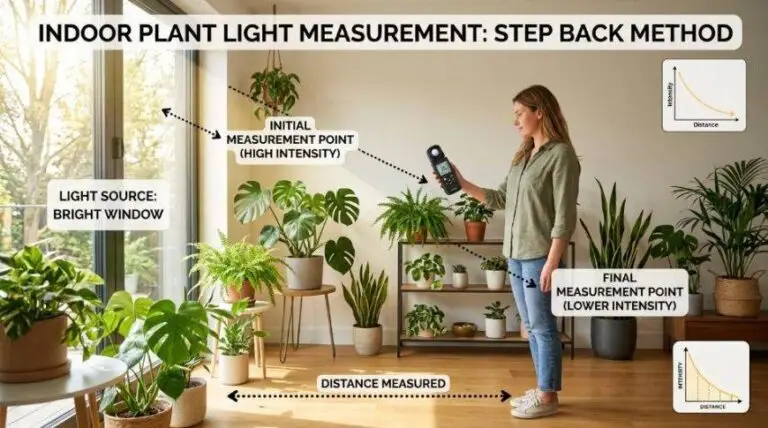
If you want to get technical about it, light intensity is measured in foot-candles or lux:
- Full direct sun near a clear window can hit 10,000 lux or higher at midday
- Bright indirect light usually sits somewhere between 1,000 and 5,000 lux
You don’t need a light meter to figure this out, though. There’s a much simpler way.
The 2-Minute Hand Test
I ask people to try this test if they say, “My room is pretty bright,” but can’t describe the light clearly.
- Around midday, hold your hand about a foot above the spot where the plant would sit.
- Look closely at the shadow it makes on the surface below.
- Match what you see to one of these three results:
- Sharp, dark-edged shadow — you’ve got direct sun. High-light plants belong here.
- Soft, fuzzy shadow — that’s bright indirect light. Great for pothos and monstera, not for cacti.
- If there is little or no shadow, the area has low to medium light.
Do this test at a few different times of day, because light shifts. A windowsill that’s blazing at noon might be shaded by 4 p.m., and that changes what you can realistically grow there.
Window Direction Cheat Sheet
Window orientation is the single biggest factor in how much direct sun a room gets, and it’s worth mapping out before you buy anything.
| Window Direction (Northern Hemisphere) | Typical Light | Best For |
| South | Strongest, most consistent direct sun all day | True high-light plants: cacti, succulents, croton, yucca |
| West | Intense but only in the afternoon; heat can build up fast | Sun-lovers that also tolerate heat, like ponytail palm |
| East | Gentle, direct morning sun, cooler overall | A good “starter” direct-sun spot; citrus, some succulents |
| North | Rarely direct sun unless the window is completely unobstructed | Usually better suited to low or medium-light plants |
If you’re in the Southern Hemisphere, flip south and north in that table — the logic stays the same, just mirrored.
20 Indoor Plants That Thrive in Direct Sun
Once you’ve confirmed your space actually gets direct sun, here’s a wider range of plants than the usual five-plant lists you’ll find elsewhere. They’re grouped below so you can find something that fits your style, not just your light level.
Statement Plants (Big, Architectural, Sun-Loving)
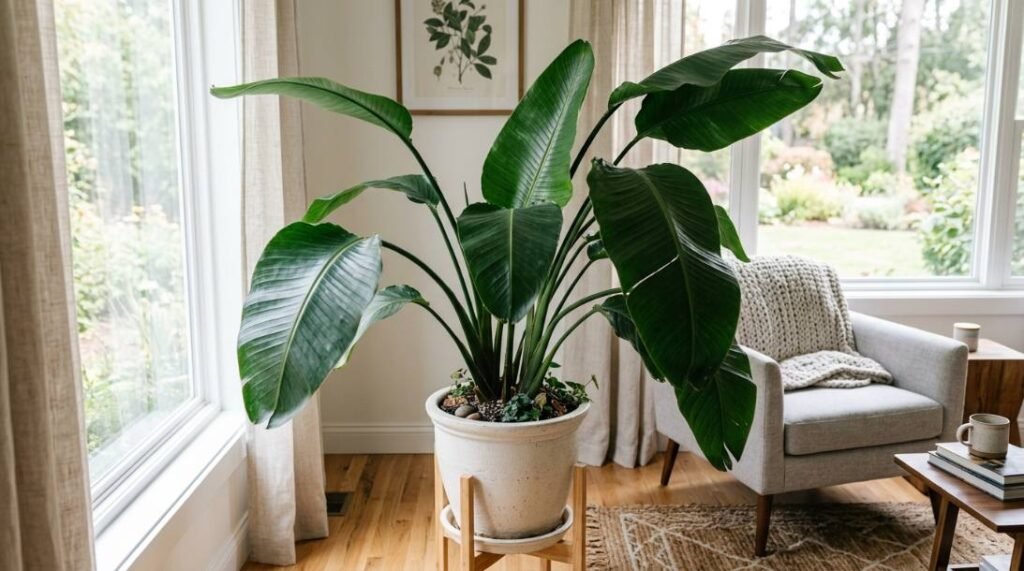
1. White Bird of Paradise (Strelitzia nicolai)
- Large, glossy, banana-shaped leaves
- Wants hours of direct southern light to thrive
- Needs space — grows tall and wide indoors when it’s happy
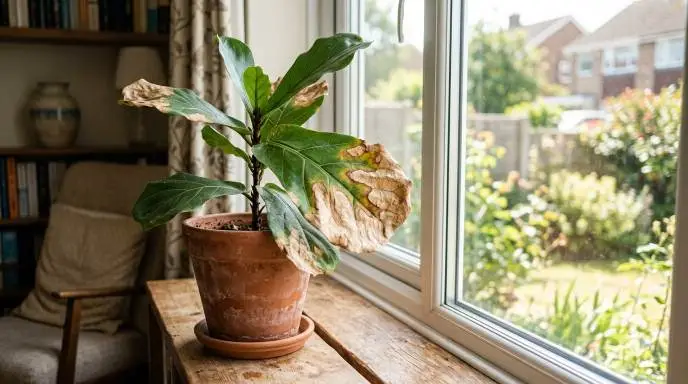
2. Fiddle Leaf Fig (Ficus lyrata)
- Often mislabeled as a low-light plant because it’s sold as an “easy” houseplant
- Actually wants bright, direct-adjacent light and sulks badly in dim corners
- Put it in a bright location, but introduce it to full midday sunlight little by little.
3. Yucca
- Stiff, sword-shaped leaves built for heat and glare
- Tolerates baking, all-day sun better than almost any other houseplant
- One of the most forgiving choices for a genuinely scorching windowsill
Colorful Sun-Chasers
4. Croton (Codiaeum variegatum)
- The more direct sun it gets, the more vivid its red, orange, and yellow patterns become
- Kept in low light, the color fades fast
- Essentially a solar-powered houseplant
5. Hibiscus (indoor varieties)
- Needs several hours of strong, direct light to bloom
- Without enough light, you’ll get leaves but no flowers
- Rewards consistent sun exposure with repeat blooming
6. Bougainvillea (grown as a houseplant)
- Usually grown outdoors, but can work indoors against a very bright, unobstructed window
- Expect fewer blooms than an outdoor plant
- Doable only in a true high-light spot
Succulents & Drought-Tolerant Sun-Lovers
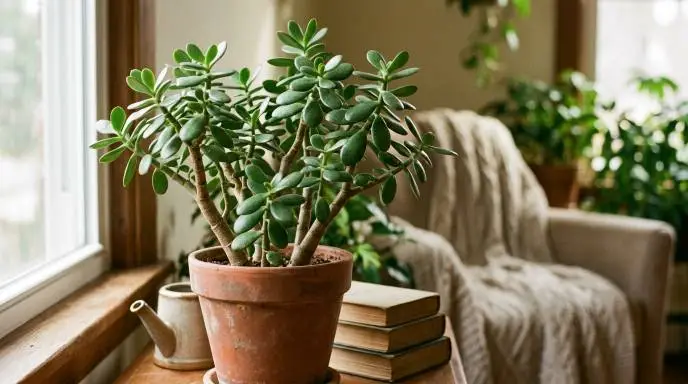
7. Jade Plant (Crassula ovata)
- Needs several hours of direct sun daily to keep leaves thick and compact
- Skimped on light, it gets leggy and thin
- One of the toughest, most forgiving succulents overall
8. Ponytail Palm (Beaucarnea recurvata)
- Not a true palm — it’s a succulent that stores water in its swollen trunk
- Remarkably tough on hot, dry windowsills
- Tolerates missed waterings far better than most houseplants
9. Aloe Vera
- Wants strong, direct light for at least a few hours a day
- Without enough light, leaves go thin and reach toward the window
- Doubles as a useful, low-fuss plant beyond just décor
10. String of Pearls (Curio rowleyanus)
- Loves bright, direct sun
- Appreciates a little relief during the most intense afternoon hours in summer
- A morning-sun east window can work as well as a south window here
11. Echeveria (various species)
- Compact rosette succulents that need plenty of direct light to hold their shape
- In lower light, they stretch out and lose form — a process called “etiolation”
- Best suited to a small, sunny windowsill
12. Haworthia
- A partial exception on this list
- Wants bright light but prefers it slightly filtered rather than scorching all-day sun
- A great transition plant if you’re not ready to commit to a full-sun succulent
Herbs and Edibles That Want Direct Sun
Most plant lists skip this category entirely, but if you’re gardening indoors, this is where high-light space earns its keep.
13. Rosemary
- Needs six or more hours of direct sun
- Without it, becomes leggy and weak instead of woody and fragrant
- One of the most sun-hungry herbs you can grow indoors
14. Basil
- Loves a sunny windowsill
- Appreciates a bit of relief from the harshest midday heat in peak summer
- Grows quickly once it settles into a bright spot
15. Dwarf Citrus Trees (lemon, lime, calamondin)
- Genuinely need a high-light spot to fruit indoors
- A south-facing window is close to the minimum requirement, not a bonus
- Rewards patience with fragrant blooms and eventual fruit
Cacti for Indoor Direct Sun
16. Golden Barrel Cactus
- About as sun-hungry as houseplants get
- Wants full, unfiltered light for most of the day
- Struggles and discolors quickly in shaded corners
17. Bunny Ears Cactus (Opuntia microdasys)
- Handles intense direct sun well
- Has fine, hair-like spines (glochids) that irritate skin on contact
- Best kept out of reach of pets and curious hands
18. Christmas or Thanksgiving Cactus — a quick myth-bust
- Despite the “cactus” name, it actually prefers bright, indirect light
- Too much direct sun can scorch its segmented leaves
- Worth remembering, since most people assume every cactus wants blazing sun
19. San Pedro Cactus (grown indoors in a bright spot)
- Tolerates strong direct light better than many soft-leaved houseplants
- Prefers a genuinely bright, south-facing spot to keep its column shape upright
- Slow-growing, so a good option for a low-fuss statement piece
20. Prickly Pear (indoor-friendly varieties)
- Handles hot, direct windowsills without much complaint
- Needs excellent drainage to match its sun exposure
- A striking, low-water option for a genuinely scorching spot
Signs a Plant Is Getting Too Much (or Not Enough) Sun
Even the right plant in the wrong spot will tell you about it. Learning to read the signs early saves the plant.
Signs of Sunburn or Too Much Light
- Bleached or crispy patches on the side of the leaf facing the window
- Brown, papery, dried-out edges
- Wilting even though the soil is still moist — that’s heat stress, not thirst
Signs of Not Enough Light for a High-Light Plant
- Leggy, stretched-out growth reaching toward the window
- Faded color or dulled variegation, especially noticeable on croton
- New leaves noticeably smaller than the older ones
If you spot either set of symptoms, don’t panic and move the plant across the room immediately. Sudden changes in light stress plants just as much as the wrong light level does. Adjust gradually.
How to Transition a Plant Into Direct Sun Safely
This is the step most guides mention in one sentence and then move past, but it’s often the actual reason a plant burns after being moved.
- Start in the morning, not at midday. Morning sun is gentler, giving the plant time to adjust before the harshest afternoon rays hit.
- Increase exposure gradually over one to two weeks. A few hours a day at first, adding more time every few days.
- Watch the leaves closely during week one. Any bleaching or crisping means you’ve moved too fast — pull back slightly and slow the process down.
- Remember light changes with the seasons. A spot that was perfectly fine in January can scorch the same plant in July, because the sun sits higher and stronger through the same pane of glass.
- Reassess your “high light” spots each season, not just once. What worked last winter may not work this summer.
Here’s a quick story from my own experience. One sunny Saturday, I decided to move my jade plant to a brighter windowsill without thinking much about it. By Monday, many of its leaves had become dry, crisp, and papery. That’s when I learned the hard way that plants need time to adjust to brighter light.
Care Essentials for High-Light Plants
Direct sun changes more than just light exposure. It changes how fast a plant dries out, how much heat it takes on, and how much energy it burns growing.
- Watering — Sun-drenched soil dries out faster, sometimes much faster than the “once a week” advice on a generic plant tag.
- Check the top two inches of soil with your finger rather than following a fixed schedule
- Terracotta pots dry out quicker than plastic or ceramic ones, so factor the pot material in too
- Soil — Skip the vague “well-draining” advice and go for something specific.
- A mix of standard potting soil, perlite, and coarse sand works well for most sun-loving succulents and cacti
- It drains fast enough to prevent root rot even with more frequent watering
- Heat protection — Window glass magnifies heat like a lens.
- Keep leaves from touching the glass directly
- Use a sheer curtain for just the hottest afternoon hours if you notice sudden scorching in peak summer
- Rotation — Plants grow toward their light source.
- Give the pot a quarter-turn once a week
- Skipping this leaves you with a lopsided plant leaning hard toward the glass
- Fertilizing — This one gets skipped all the time.
- Plants working through hours of direct sun burn through soil nutrients faster than shade-tolerant plants
- Use a diluted, balanced fertilizer during the active growing season (spring through early fall)
- Most sun-loving succulents and cacti only need this monthly, not with every watering
High-Light Plants That Are Also Low-Maintenance
Not every sun-lover demands fussing over. If you want the light requirements without the constant attention, a few of the plants above double as some of the toughest, most forgiving houseplants you can own.
- Jade Plant — tolerates missed waterings without complaint
- Ponytail Palm — its water-storing trunk means it forgives forgetfulness
- Yucca — built for heat, glare, and inconsistent care
If low-maintenance is your priority as much as light level, these three are worth starting with before anything else on this list.
High-Light vs. Bright Indirect vs. Low Light — Quick Comparison
| Light Type | Direct Sun Exposure | Example Plants | Best Window |
| High light / Direct | 4+ hours of unfiltered sun | Yucca, Croton, most cacti | South or west |
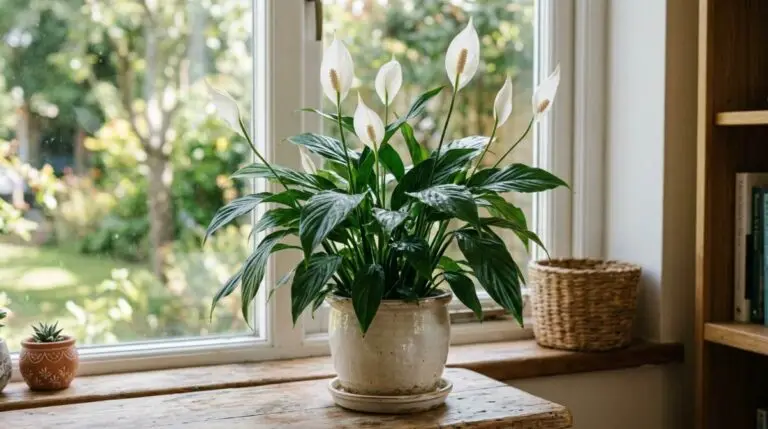
| Bright indirect | Bright all day, no direct rays | Monstera, Pothos, Peace Lily | East, or a few feet back from south |
| Low to medium light | Minimal natural light, no direct sun | Snake Plant, ZZ Plant | North, or interior rooms |
Frequently Asked Questions
1. What counts as a high-light indoor plant? A high-light indoor plant needs direct, unfiltered sun touching its leaves for at least four hours a day to grow well, rather than just a bright room with no direct exposure.
2. Can high-light plants survive in bright indirect light instead? Some can tolerate it for a while, especially succulents, but most will grow slower, lose their color, or stretch toward whatever light source they can find. Long-term, they do best with genuine direct sun.
3. How do I know if my window gets direct sun? Do the hand test around midday: hold your hand a foot above where the plant would sit. A sharp, well-defined shadow means direct sun; a soft, blurry one means bright indirect light instead.
4. Do high-light plants need more water than other houseplants? Usually, yes. Direct sun dries out soil faster, so check moisture with your finger every few days rather than sticking to a fixed watering schedule.
5. Can I put a low-light plant in a high-light spot temporarily? It’s risky. Low-light plants like pothos or snake plants can scorch quickly in direct sun, even for a short stretch, so it’s better to keep them in their preferred conditions.
6. What’s the best window direction for sun-loving plants? South-facing windows (Northern Hemisphere) generally offer the strongest, most consistent direct sun throughout the day, followed by west-facing windows for intense afternoon light.
7. Are high-light plants pet-safe? Not all of them. Aloe vera, jade plant, and several succulents on this list are mildly to moderately toxic if chewed by cats or dogs, so check each plant individually before placing it somewhere pets can reach.
Which Plant Should You Pick?
If you’ve made it this far, you already know more about your light than most people do before they buy a plant. A few quick starting points, depending on what you’re after:
- Want something low-maintenance? Start with a jade plant or ponytail palm.
- Want a statement piece for a big, bright room? The white bird of paradise earns its size.
- Working with a smaller sunny windowsill? Aloe vera or an echeveria fits without crowding the space.
- Want function along with the plant? Rosemary or a dwarf lemon tree turns a sunny window into something you can actually use in the kitchen.
The plant matters less than getting the light right first. Match the two correctly, and most of these will take care of themselves.
Learn more about indoor plant care.