Is perlite dust safe? Yes, mostly. It’s non-toxic and classified as a nuisance dust, not a hazardous material, but breathing in a big cloud of dry dust can still irritate your throat and lungs, since it contains trace crystalline silica.
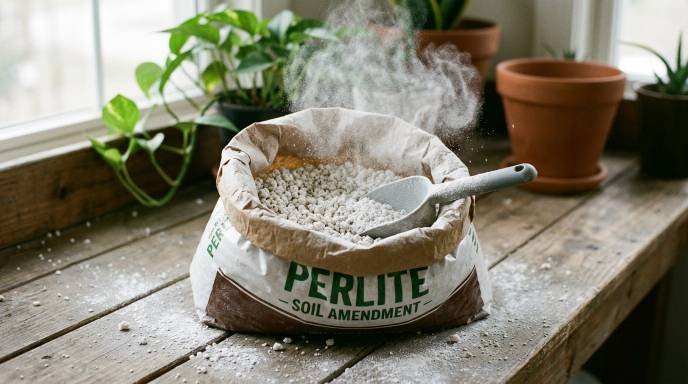
One quick note before we dig in: most of the worry behind this search actually belongs to vermiculite, perlite’s cousin in the potting aisle, which had a real, documented asbestos issue decades ago. This article sorts out what’s true for perlite, what belongs to vermiculite, and how to handle either one safely.
I didn’t wear a mask the first time I repotted a dozen succulents indoors, dry perlite and all. Spent the next hour coughing in a dust cloud that hung in my apartment for what felt like forever. Wetting the bag first, I learned, would’ve saved my lungs and my carpet both.
Is Perlite Dust Safe? (Quick Answer)
Perlite is chemically inert, which means it doesn’t react with your body or release anything toxic as it breaks down. Safety data sheets classify it as a nuisance dust, a category for particles that can irritate but aren’t considered hazardous to health under normal use.
- Not linked to pulmonary fibrosis or permanent lung disease in available safety data
- Can cause temporary coughing, throat irritation, or shortness of breath if you breathe in a heavy cloud of dry dust
- Best handled with basic precautions rather than treated as a serious hazard
What’s Actually in Perlite Dust
Perlite starts as a naturally occurring volcanic glass. Here’s how it becomes the light, white, porous material you see in bagged potting mix:
- Raw perlite ore is mined from the ground
- It’s crushed and heated to extremely high temperatures
- The heat causes trapped water inside to expand, making the particles “pop”, similar to popcorn
- The result is a lightweight, porous granule with a much bigger volume than the raw material it started as
The dust that ends up airborne when you handle it comes from the brittle outer particles that break off those expanded granules during shipping, pouring, and mixing.
A few things worth knowing about what’s actually in that dust:
- It contains trace crystalline silica, typically under 1% of the total material
- Crystalline silica is the component most associated with respiratory caution
- Large, repeated, occupational-level exposure to silica dust- think sandblasting or stone cutting is a genuinely different exposure category than the trace amount released while potting a few plants at home
That distinction matters. The silica conversation around perlite gets borrowed from industrial contexts where exposure levels are dramatically higher and far more frequent than anything a home gardener typically encounters.
Perlite vs. Vermiculite: Which One Is Safer to Breathe?
Since these two are so often sold side by side and mistaken for each other, here’s how they actually compare on dust and safety:
| Factor | Perlite | Vermiculite |
| Dust level | Higher — brittle particles break easily | Lower — flakier structure, less fine dust |
| Main safety concern | Trace crystalline silica | Historical asbestos contamination (specific mine source, largely resolved) |
| Current safety status | Classified as nuisance dust | Modern commercial supply is tested and regulated |
| Best practice | Pre-wet before handling | Pre-wet before handling |
The practical takeaway:
- Vermiculite generally produces less airborne dust thanks to its flakier structure
- Vermiculite carries a documented contamination history tied to one specific mine that perlite doesn’t have
- Perlite generates more dust, but has no equivalent contamination event in its history
- Neither one is the clear “safer” choice across every category, it depends on which factor matters more to you
The Asbestos Confusion, Explained
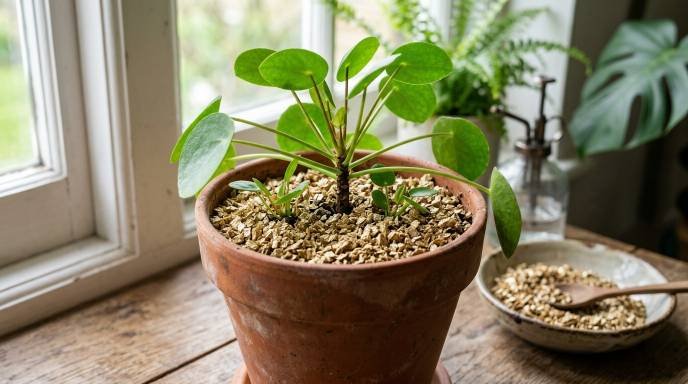
This is worth stating plainly, because it’s very likely the real question behind an “is perlite dust safe” search: the asbestos scare in gardening history belongs to vermiculite, not perlite.
- Perlite and vermiculite are different minerals entirely, formed through different geological processes
- They’re frequently confused because they’re sold in similar bags, in the same aisle, for similar purposes
- The vermiculite contamination issue traced back to a specific mine that has since closed
- Modern, commercially sold vermiculite today is tested and regulated
If you’ve been avoiding perlite because of something you half-remember about asbestos in potting soil, that memory almost certainly belongs to vermiculite’s history, not perlite’s.
Health Risks: What the Data Actually Shows
Short-Term Effects
Breathing in dry, airborne perlite dust can cause:
- Coughing
- Throat irritation
- Temporary shortness of breath
These symptoms typically resolve on their own once you’re away from the dust and back in clean air.
Long-Term Considerations
- No published reports link perlite exposure to permanent lung disease or pulmonary fibrosis
- Occupational safety guidance still recommends keeping airborne dust levels low
- A respirator is recommended during heavy, repeated handling the kind seen in commercial greenhouses or large-scale growing operations, not typical home gardening
- Safety data sheets describe the material as something that “may cause harmful irritation” with excessive, long-term exposure, while stopping short of classifying it as hazardous for ordinary home use
In plain terms: the caution built into official guidance is there because dust of any kind deserves some respect, not because perlite specifically has been shown to cause lasting harm.
Who Should Be Extra Careful
A few groups have good reason to take extra precautions, even though the overall risk for most people is low:
- People with asthma or bronchitis — dust of any kind can trigger a flare-up, regardless of what it’s made of
- Frequent handlers — commercial growers and greenhouse staff working with large volumes daily face a very different exposure level than someone potting a few houseplants
- Households with young children — kids handling an open bag directly are more likely to kick up dust close to their face
- Pet owners — a curious pet sniffing straight into an open bag gets a much more concentrated dose than a person standing and pouring from a distance
How to Handle Perlite Safely
- Pre-wet the perlite with a spray bottle or a light pour of water before mixing, this is the single most effective way to keep dust from becoming airborne in the first place
- Wear a basic dust mask or respirator when handling dry, unwetted product, especially indoors
- Work outdoors or in a well-ventilated space whenever it’s an option
- Rinse perlite in a sink or outside before use to wash away the finest particles
- Store opened bags sealed rather than left open, so dust doesn’t keep settling into the surrounding air over time
FAQs
Is perlite dust toxic? No. Perlite is chemically inert and classified as a nuisance dust, not a toxic substance. It can cause temporary irritation if inhaled in large amounts, but it isn’t classified as poisonous or hazardous.
Does perlite contain asbestos? No. The asbestos contamination history in gardening media is tied to vermiculite, specifically from one now-closed mine, not to perlite. The two are different minerals often confused simply because they’re sold alongside each other.
Can breathing perlite dust cause permanent lung damage? There are no published reports linking perlite exposure to permanent lung disease or pulmonary fibrosis. Short-term irritation from heavy dry-dust exposure is possible, but it typically resolves once exposure stops.
Is vermiculite safer than perlite? It depends on the factor you’re weighing. Vermiculite tends to produce less airborne dust, but it carries a specific historical contamination event that perlite doesn’t share. Both are considered safe for home gardening today when handled with basic precautions.
Do I need a mask to use perlite at home? For occasional home use, pre-wetting the perlite is usually enough to keep dust down without needing a mask. A mask is a reasonable extra step if you’re handling large quantities, working indoors without much airflow, or have asthma or another respiratory condition.
Key Takeaways
- Perlite dust is non-toxic and classified as a nuisance dust, not a hazardous material
- Short-term irritation is possible with heavy dry-dust exposure, but there’s no confirmed link to long-term lung disease
- The asbestos concern that shows up in gardening conversations belongs to vermiculite’s history, not perlite’s
- Pre-wetting, masking during heavy use, and good ventilation eliminate nearly all practical risk for home gardeners
For the complete picture on keeping indoor plants healthy beyond growing media, see our Complete Beginner’s Guide to Indoor Plant Care.“