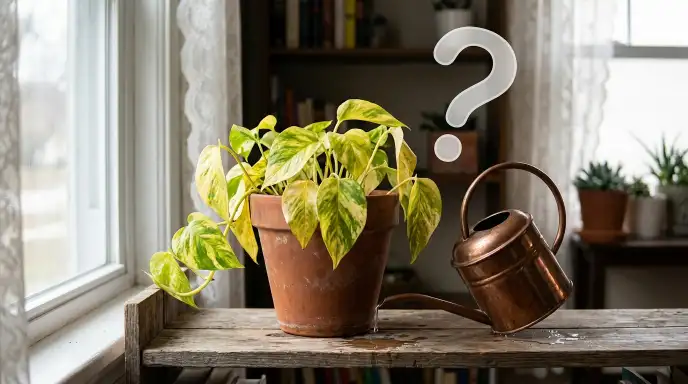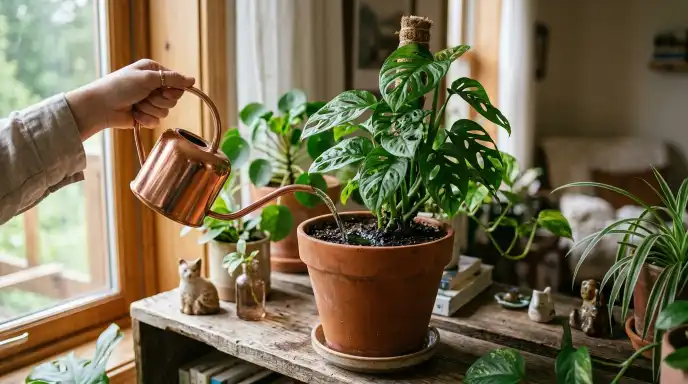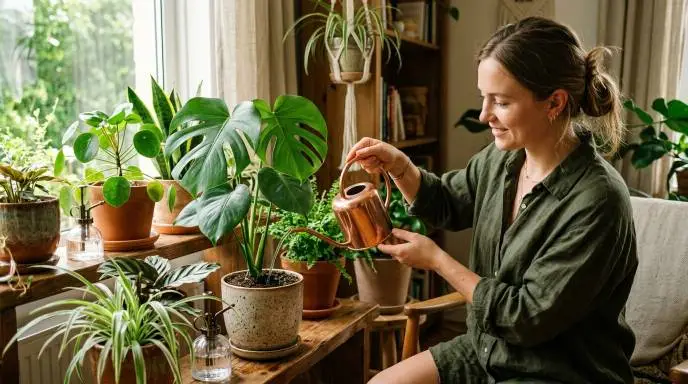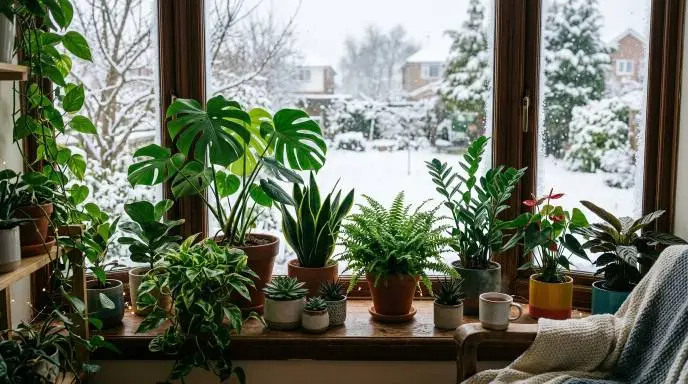
Water plants deeply and less often, not lightly and on a fixed schedule. Soak the soil until it’s damp several inches down, let it dry out partway before the next watering, and always check the soil before you reach for the watering can. That single habit change fixes more plant problems than any fertilizer or fancy pot ever will.
I killed three pothos plants in a row before I figured this out. I was watering every Sunday like clockwork, no exceptions. Turns out the plant didn’t care about my schedule. It cared about what the soil actually needed.
Here’s what most people get wrong:
They think plant death means neglect. In reality, it’s almost always inconsistent technique. Either too much water sitting around the roots, or just enough dribbled on top to wet the surface without ever reaching where the roots actually live. This guide walks through the methods that work, when to use each one, and how to tell what your plant is actually asking for. amending soil with perlite to ensure proper drainage.
This piece is part of our full How to Water Houseplants the Right Way (Not Just How Often) guide. Start there for the broader overview of every technique across garden types, then come back here for the step-by-step detail on getting the basics right.
Why Most People Water Plants Incorrectly
The most common watering mistake isn’t forgetting to water. It’s watering too often, too shallow, and on autopilot.
Here’s the problem with a fixed schedule, like “every Sunday” or “twice a week”:
- It ignores the plant’s actual environment: A pot near a sunny window dries out faster than one in a shaded corner, even if they’re the same species.
- It trains roots to stay shallow: When water only ever wets the top inch of soil, roots have no reason to grow deeper. Shallow roots mean a plant that struggles the moment you miss a watering.
- It doesn’t account for seasons: A plant that needs water twice a week in July might rot if you keep that same pace in December.
Watering plants correctly starts with treating water as a response to what the soil is telling you, not a task on a calendar.
How to Check If Your Plant Actually Needs Water
Before you water anything, check first. This one step prevents both overwatering and underwatering, and it takes about five seconds.
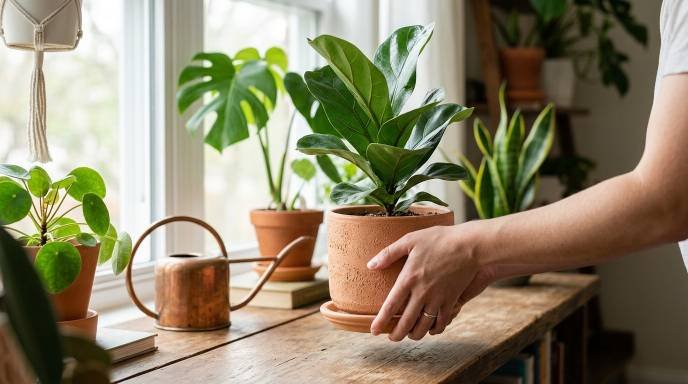
- The finger test: Push your finger into the soil up to the second knuckle (roughly 1–2 inches). If it feels dry at that depth, it’s time to water. If it’s still cool or damp, wait. If you want highly precise readings, you can also use a digital hygrometer.
- The lift test: For potted plants, lift the pot right after watering so you know what “hydrated” feels like. A noticeably lighter pot later means the soil has dried out.
- The moisture meter: A cheap soil moisture meter (usually under $10) takes the guesswork out entirely, especially useful if you tend to overwater out of anxiety, a very common habit for new plant owners.
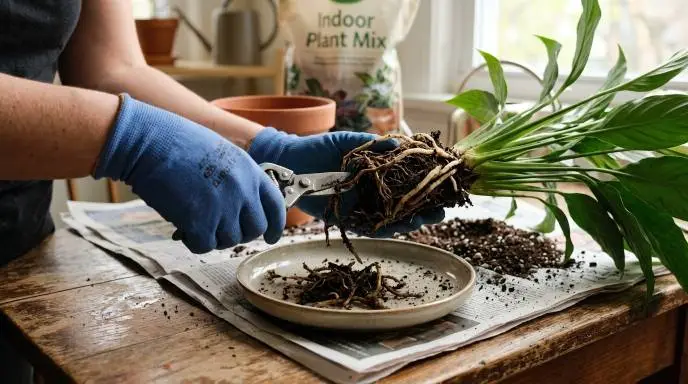
- The wilt double-check: A drooping plant doesn’t automatically mean it’s thirsty. Wilting can signal either too little water or too much (root rot prevents roots from absorbing water at all). Always confirm with the finger test before adding more water. Watering a plant that’s already too wet is one of the fastest ways to kill it. Water schedule important; overwatering in winter does not cause cold damage, but they are closely related, and combining them is one of the fastest ways to kill a houseplant.
The Best Watering Methods (And When to Use Each One)
Different plants and setups call for different techniques. Here are the five methods worth knowing, and when each one makes sense.
1. Top Watering (Soaking From Above)
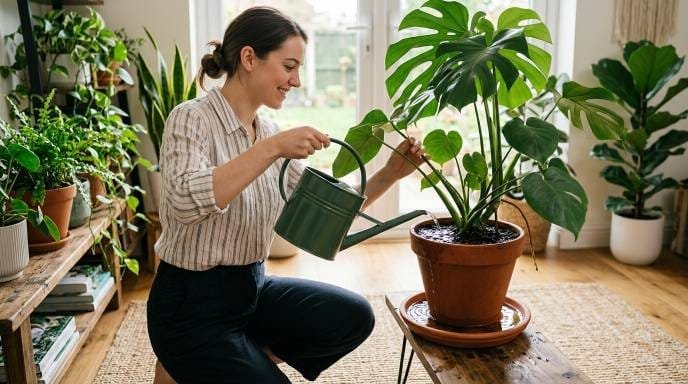
The most common method: pour water evenly over the soil surface until it runs out of the drainage holes.
- Pour slowly, in a circular motion, avoiding the base of the stem.
- Let the pot drain fully before putting it back on a saucer or into a decorative cover. How you water depends partly on what you’re watering into. A glazed ceramic pot holds moisture longer than terracotta, which changes how often you need to water. Our Buyer’s guide to ceramic pots for plants with drainage and glaze recommendations breaks down which pots work best for which plants.
- Do this until water flows freely from the bottom: that’s your sign the whole root zone got soaked, not just the surface.
Best for: Most houseplants, potted patio plants, and garden containers.
2. Bottom Watering (Soak-and-Wick Method)
Set the pot in a bowl or tray with a few inches of water and let the soil pull moisture upward through the drainage holes.
- Leave the pot in the water for 10–20 minutes, or until the topsoil feels damp to the touch.
- Remove the pot and let any excess water drain out. Don’t let it sit in standing water.
- Every few waterings, switch back to top watering. Bottom watering alone doesn’t flush out mineral buildup from tap water, which can accumulate as a white crust on the soil surface over time.
Best for: African violets, seedlings, and any plant prone to crown or stem rot from water sitting on the surface.
3. Deep Watering for Garden Beds and Trees
Outdoor plants need water that reaches well below the surface, where the active root system actually lives. Deep watering is especially important for recovering sunburned plants that need hydration without overwatering.
- Apply roughly one inch of water per session, letting it soak in slowly rather than running off.
- A simple way to measure this: place an empty tuna can nearby while watering with a sprinkler. Once it fills to about an inch, you’ve applied roughly the right amount.
- Aim for moisture reaching 5 to 12 inches deep, depending on the plant. Shallow, frequent watering keeps roots near the surface and makes plants more vulnerable during hot or dry stretches.
Best for: Trees, shrubs, vegetable gardens, and established garden beds.
4. Drip Irrigation and Soaker Hoses
A slow, steady system that delivers water directly to the soil near the base of each plant.
- Reduces water waste since almost nothing evaporates or runs off.
- Keeps foliage completely dry, which lowers the risk of fungal disease significantly compared to overhead sprinklers.
- Works well on a timer, making it a solid option for vegetable beds or anyone watering a larger garden regularly.
Best for: Vegetable gardens, flower beds, and anyone trying to cut down on water use.
5. Self-Watering Containers and Wicking Systems
These use a water reservoir at the base of the pot, with a wick or fabric strip pulling moisture up into the soil as needed.
- The plant draws water on its own schedule instead of yours.
- Useful for people who travel often or tend to forget regular watering.
- Not ideal for plants that prefer to dry out fully between waterings, like succulents, since the constant moisture supply can lead to root rot.
Best for: Busy households, frequent travelers, and consistently thirsty plants like ferns or peace lilies.
Even with correct watering, plants can still develop problems. How to Diagnose Indoor Plant Problems helps you figure out if yellowing, browning, or wilting is from pests, disease, or another cause.
How Much and How Often You Should Actually Water
There’s no single number that works for every plant, because watering frequency depends on several factors working together, not just the species.
| Factor | Effect on Watering Frequency |
|---|---|
| Terracotta pots | Dry out faster (porous material): water more often |
| Plastic or glazed ceramic pots | Retain moisture longer: water less often |
| Sandy soil | Drains quickly: needs more frequent watering |
| Clay-heavy soil | Holds water longer: risk of overwatering if watered too often |
| Bright, direct light | Increases water use: check soil more frequently |
| Low light | Slows water use: soil stays moist longer |
The takeaway:
Use the soil check methods above every time, rather than relying on a set number of days. A plant’s environment changes with the seasons, the weather, and even where it sits in a room.
The Best Time of Day to Water Plants (And Why It Matters)
Morning is the best time to water, for two practical reasons:
- Roots get first access to moisture:
Before the heat of the day increases evaporation and water stress. - Leaves dry off quickly:
In daytime air and sunlight, which lowers the risk of fungal issues and mold that thrive in prolonged dampness.
Evening watering isn’t disastrous, but it does leave moisture sitting on leaves and soil overnight, creating conditions fungal diseases prefer. Midday watering works in a pinch. It’s just less efficient, since more water evaporates before it reaches the roots.
How to Tell the Difference Between Overwatering and Underwatering
This is where most people get stuck, because the visible symptoms can look surprisingly similar at first glance.
| Sign | Overwatering | Underwatering |
|---|---|---|
| Leaf color | Yellow, sometimes with brown mushy patches | Yellow or brown, dry and crispy |
| Leaf texture | Soft, mushy, sometimes translucent | Crisp, curling, or wilted but firm |
| Soil condition | Consistently wet, may smell musty or moldy | Pulling away from the edges of the pot |
| Stems | Soft or blackened at the base | Firm but drooping |
| Extra clues | Fungus gnats hovering near the soil | Pot feels noticeably lighter than usual |
The safest rule:
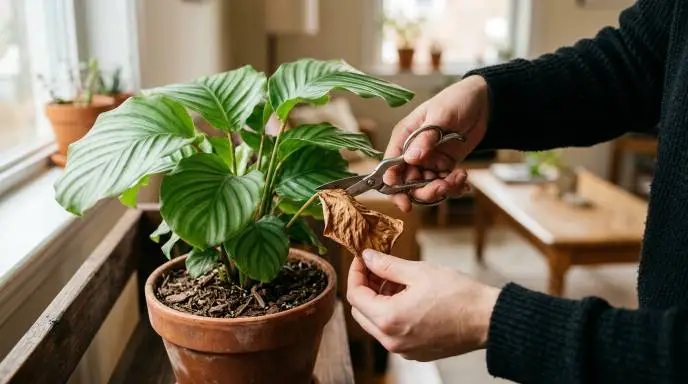
Never diagnose by looking at leaves alone. Always check the soil first. A wilting plant sitting in soggy soil needs less water, not more. Adding water to an already overwatered plant is one of the fastest paths to root rot.
Watering Mistakes That Undo Good Technique
Even with the right method, a few habits quietly sabotage the results.
- Misting counts as watering:
It doesn’t. A light mist wets the leaves and the very top layer of soil, but it never reaches the root zone where it matters. - Sticking to a rigid schedule:
“Every Sunday, no matter what” ignores what the soil and season are actually telling you. - Letting pots sit in standing water:
A saucer full of water after drainage keeps roots wet far longer than they need to be, which invites rot. - Using ice cubes on houseplants:
This trend is popular for its slow-release convenience, but many plants, especially tropical ones, don’t respond well to the sudden cold at the root zone. If you use this method, treat it as an occasional shortcut, not a routine. - Watering the leaves instead of the soil:
Wet foliage, especially overnight, is one of the most common invitations for fungal disease.
Does Water Quality Matter? (Tap, Filtered, and Rainwater)
Yes, though for most houseplants it’s a minor factor rather than a dealbreaker.
- Tap water:
Works fine for the vast majority of plants. A small number of species, like spider plants and some ferns, can show leaf tip browning from the chlorine, fluoride, or salts in treated tap water over time. - Letting tap water sit out for 24 hours:
Before use allows some chlorine to dissipate, which is a simple, low-effort adjustment if you notice sensitivity in a particular plant. - Rainwater:
Is naturally soft and slightly acidic, making it a good option for acid-loving plants like blueberries, azaleas, and camellias. - Filtered or distilled water:
Is rarely necessary but can help if a plant is unusually sensitive to mineral buildup.
Adjusting Your Watering Method by Season
Watering needs shift with the seasons, even for the same plant in the same pot.
- Spring and summer:
Growth is active, temperatures are higher, and soil dries out faster. Expect to water more frequently and more deeply during this stretch. Know details about water schedule in summer heatwave from this guide. - Fall:
Growth slows as daylight hours shorten. Start easing off the frequency to match the plant’s reduced water use. - Winter:
Most plants enter a dormant or semi-dormant phase. Overwatering during winter is one of the most common causes of houseplant loss, simply because people keep watering at the summer pace out of habit.
Mulch plays a seasonal role outdoors too: a thick layer helps retain moisture during hot months and insulates roots from temperature swings in cooler ones. Know about long-spout watering cans in this article.
Mulching and Water Retention Tips for Outdoor Plants
Mulch does double duty: it locks in soil moisture and cuts down on how often you need to water in the first place.
- Organic mulch:
Bark, straw, and shredded leaves break down over time, improving soil structure while it retains moisture. - Inorganic mulch:
Gravel and landscape fabric don’t break down but still block evaporation and suppress weeds that compete for water. - Depth matters:
Aim for 2–3 inches. Too thin does little; too thick can trap excess moisture against stems and invite rot. - Keep mulch away from stems and trunks:
Piling it directly against a plant’s base holds moisture where it can cause rot, rather than where it’s actually needed.
Frequently Asked Questions
How do I know if I’m watering my plant correctly?
Check the soil before every watering rather than following a fixed schedule. If the top 1–2 inches are dry, it’s time to water; if they’re still damp, wait. Consistent, deep watering paired with proper drainage is the clearest sign you’re on track.
Is it better to water plants a little every day or deeply once a week?
Deep, infrequent watering almost always wins. Light daily watering only wets the surface, encouraging roots to stay shallow instead of growing down toward more stable moisture.
Can you overwater a wilting plant?
Yes. Wilting can be a symptom of both overwatering and underwatering, since root rot prevents a plant from absorbing water even when the soil is soaked. Always check the soil before adding more water to a wilting plant.
Should I water plants before or after fertilizing?
Water first. Applying fertilizer to dry soil can burn the roots, so a light watering beforehand helps distribute nutrients more evenly and safely.
How long can plants go without water?
It varies widely by species, but most common houseplants can handle 1–2 weeks without water in average conditions, while drought-tolerant plants like succulents can go a month or more. Outdoor garden plants generally need attention sooner, especially in hot weather.
Key Takeaways: Watering Plants the Right Way
- Check the soil before every watering instead of relying on a fixed schedule.
- Water deeply and less frequently to encourage strong, deep root growth.
- Water in the morning to reduce disease risk and give roots first access to moisture.
- Match your method (top watering, bottom watering, drip irrigation, and so on) to the specific plant and container.
- Learn to tell overwatering and underwatering apart, since the surface symptoms often look alike.
- Adjust your routine with the seasons rather than watering the same way year-round.
Getting this right isn’t about a secret formula. It’s about paying attention to what the soil and the plant are actually showing you, one watering at a time.
If you’re just getting started with plants indoors, The Complete Beginner’s Guide to Indoor Plant Care covers light, soil, and feeding alongside watering, so you’ve got the full picture in one place.