How to Get Rid of Mealybugs on Houseplants for Good (6-Week Treatment Plan)
Mealybugs return when treatment stops before the egg cycle finishes. This six-week protocol covers identification, the treatment schedule, root mealybugs, and prevention.
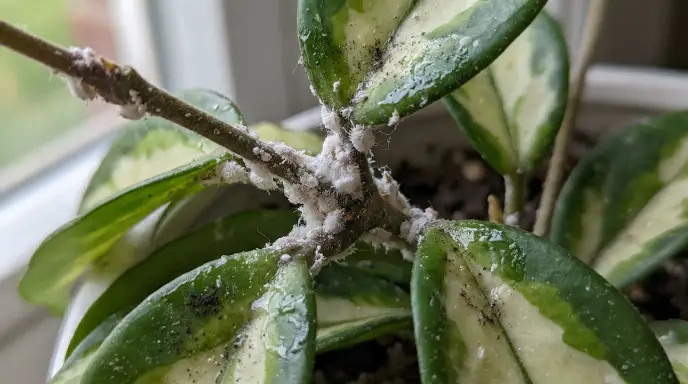
Mealybugs return when treatment stops before the egg cycle finishes. This six-week protocol covers identification, the treatment schedule, root mealybugs, and prevention.
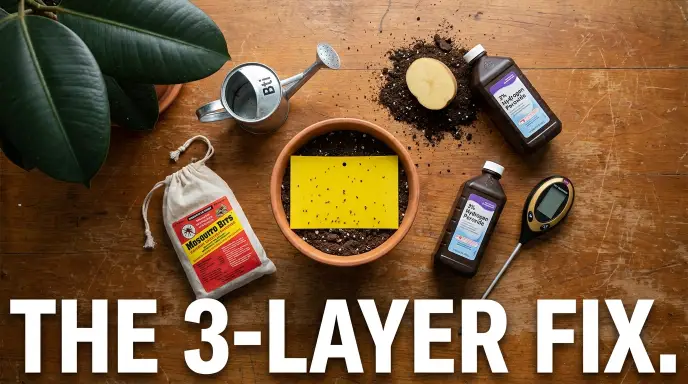
Getting rid of fungus gnats takes three to four weeks, not one day. Here’s the 3-layer method that targets adults, larvae, and the wet soil causing them — plus why the apple cider vinegar trap everyone recommends doesn’t actually work.
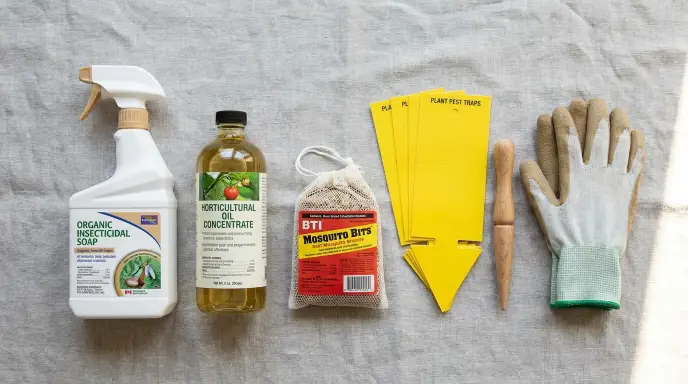
Comparison table, pros and cons, and a buying guide for the 8 houseplant pest control products worth owning — plus exactly which pest each one kills, and which popular products quietly do nothing.
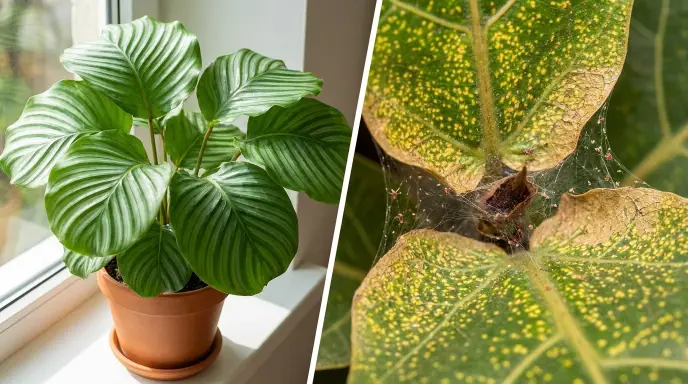
If your plant’s leaves have started looking dusty, speckled, or faintly bronzed, spider mites are one of the first things worth ruling in or out. Spider mites are one of the most common houseplant pests, but they’re far from the only one. If you’re dealing with white, cottony clusters instead of webbing, you may have cottony…
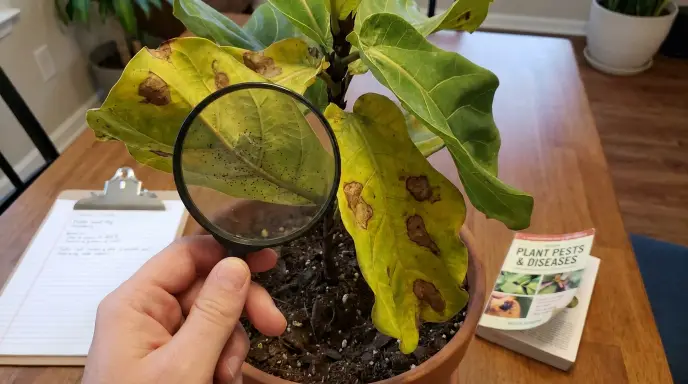
Something’s off with your houseplant, but figuring out why can feel like guesswork. That’s where learning how to diagnose indoor plant problems actually saves you time and plants. Here’s the tricky part: pests, disease, and simple care mistakes often look almost identical. Yellow leaves, brown spots, and wilting can all point to completely different causes….
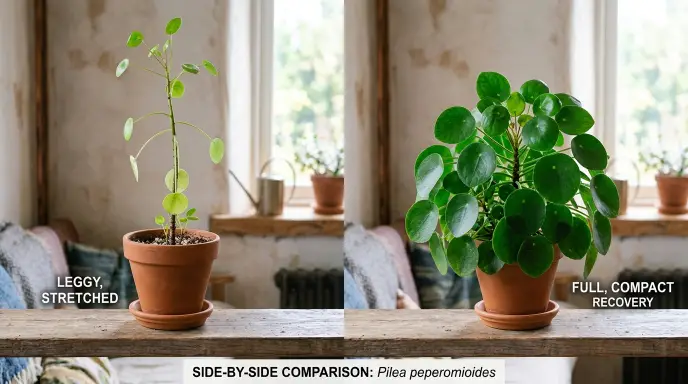
A few months ago, I walked past my kitchen window and noticed my pothos had started looking like a very sad, stringy version of its former self. Three feet of bare stem stretched between the soil and the first leaf. The leaves that remained were smaller than my thumb. I’d been watering it on schedule,…
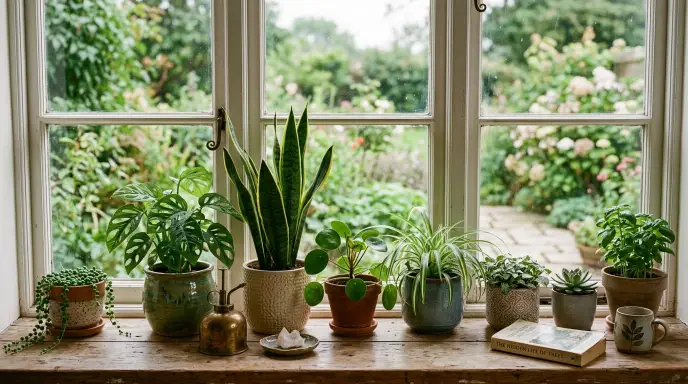
The best ceramic pots for plants combine a drainage hole (or saucer) with the right glaze type for what you’re growing, and most people get this wrong. If you plant a succulent in a fully glazed pot with no drainage, it’s only a matter of time before the roots rot. Our top pick for most…
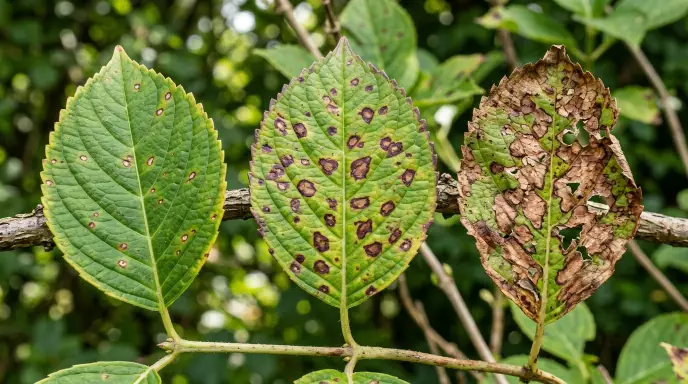
Brown spots on your plant’s leaves can feel like a mystery, but they usually come from one of five causes: fungal infection, bacterial infection, sunburn, watering issues, or nutrient deficiency. Brown spots are just one symptom of plant distress. Brown spots are just one symptom of plant distress. If your plant also has sticky residue or white…
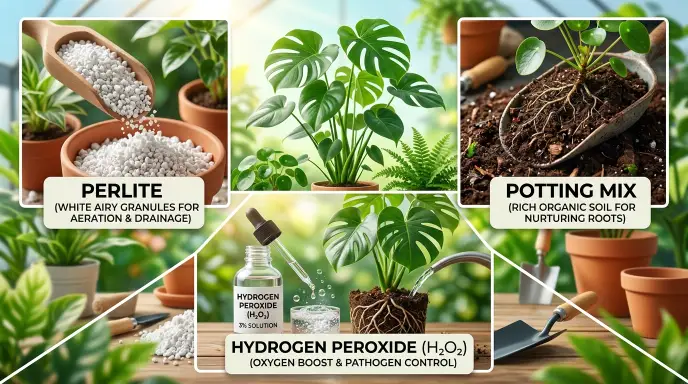
Quick Summary: Root rot is a destructive condition caused by fungi and fungus-like organisms that thrive in wet, poorly drained soil. It attacks stressed or weakened plants, turning healthy white roots into brown, mushy, foul-smelling messes. Root rot is one of many problems that can affect houseplants. How to Diagnose Indoor Plant Problems walks you through identifying…
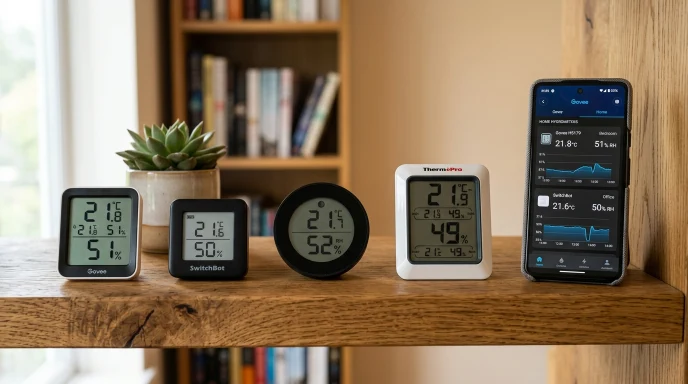
The Govee H5100 is a strong pick for most people in 2026. Its manufacturer specs list ±2% RH accuracy, a 2-second refresh rate, and Bluetooth app connectivity for under $16. For budget buyers, the ThermoPro TP50 has a long track record of reliability at under $14. For higher precision, the SensorPush HT.w offers mesh networking…
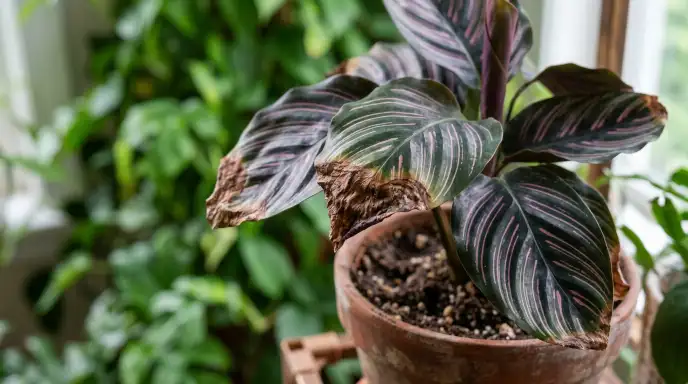
You have been watering. You have moved it closer to the window, then farther away. You have even apologized to it. Yet somehow, your plant’s leaves are turning brown, crispy, and brittle, and you have no idea why. Before you diagnose crispy leaves as a watering issue, check if it’s bacterial, fungal, or sunburn. Take…
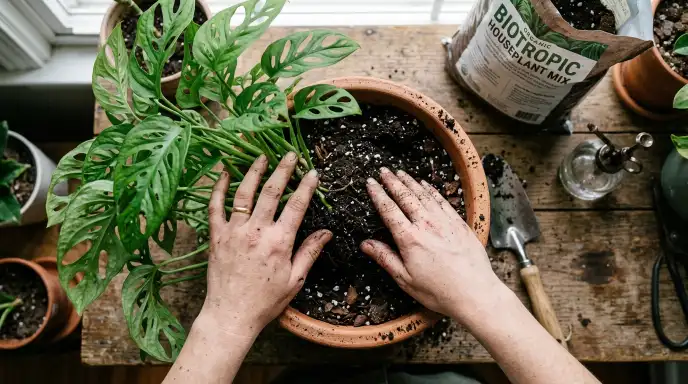
The soil you choose is the single most important factor in your plant’s survival more important than light, more important than watering routine, and more important than fertilizer. Here’s the thing: most “potting soil” sold at garden centers isn’t actually soil at all. And most houseplant deaths trace back to the wrong growing medium and…
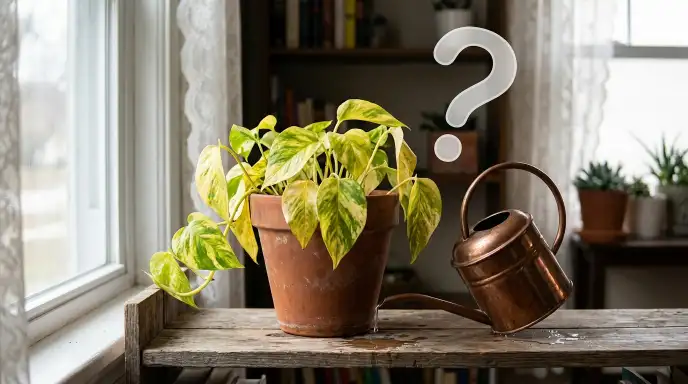
Quick Answer Overwatered plants have soft, yellow, mushy leaves and wet, soggy soil that may smell sour. Underwatered plants have dry, crispy leaves with brown edges and bone-dry soil that pulls away from the pot sides. Learn how to fix root rot from this guide. Overwatering isn’t the only thing that can make your plant look weak; low light can also cause stretched-out,…
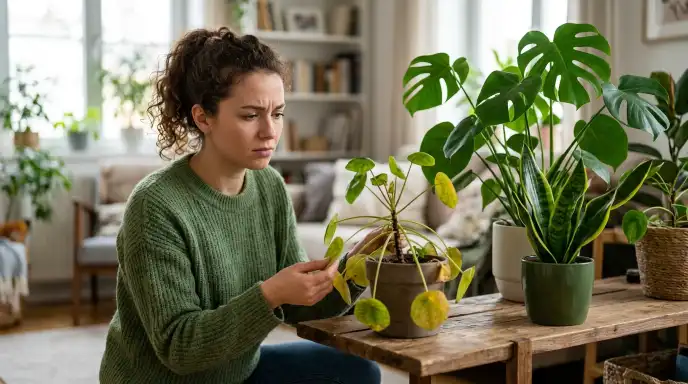
The Short Answer: Why is my houseplant dying? Most houseplants die from overwatering, not underwatering, not lack of light, not pests. When you water too often, the roots suffocate, rot, and can no longer deliver water to the leaves. The leaves wilt and turn yellow even though the soil is wet. Beginners see wilting, assume…
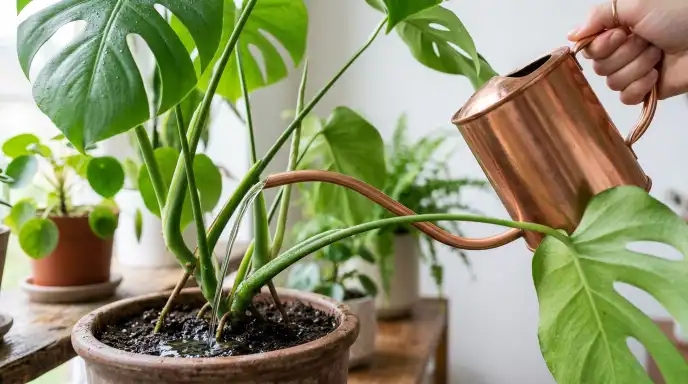
The best long-spout watering cans for indoor plants share one thing: A narrow, far-reaching spout that gets past leaves and puts water right at the soil line instead of on the foliage. For most people with a mixed houseplant collection, the Dramm 2-Liter Watering Can is the strongest all-around pick. If budget is the priority,…
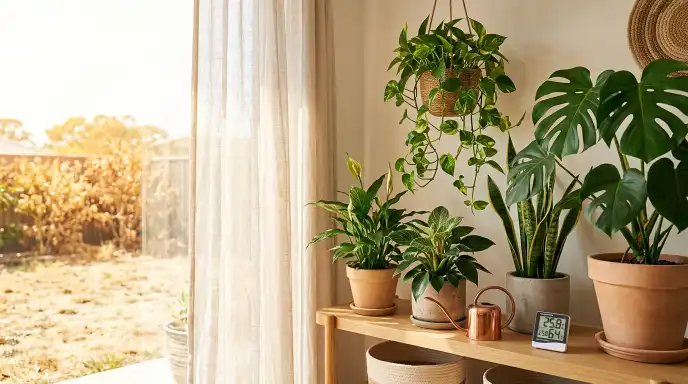
Extreme summer heat can be hard on houseplants, even when they are growing indoors. Hot windows, intense sunlight, faster soil evaporation, low humidity and air conditioning can cause plants to wilt, develop brown leaves, curl their foliage or stop growing. Getting watering right is step one. Here’s how to spot other issues. If your plant…
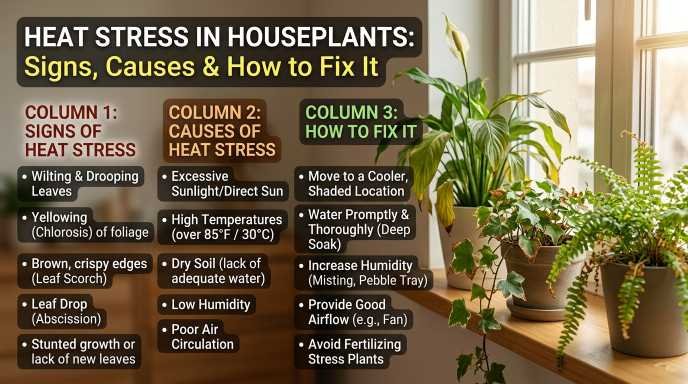
Heat stress in houseplants occurs when excessive heat causes the plant to lose water faster than its roots can replace it. Common signs include wilting, curled or rolled leaves, crispy brown edges, scorched or bleached foliage, leaf drop, and stalled growth. The quickest way to help a heat-stressed houseplant is to reduce intense heat and…
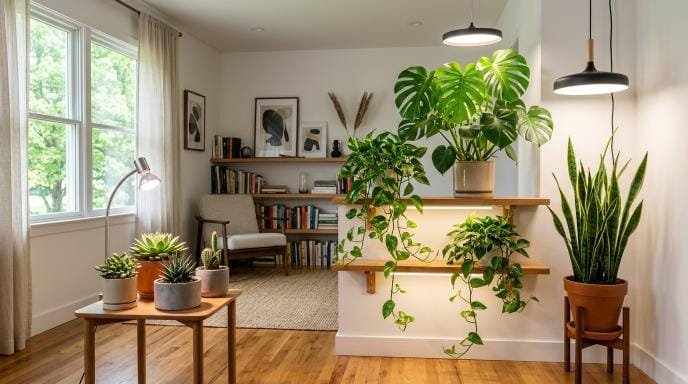
The right grow light depends less on having the “best” product and more on having the right product for your setup. A grow-light bulb is a smart purchase for one plant but a poor choice for a six-foot shelf. A powerful panel can be excellent for succulents but unnecessary for a pothos. A good grow…
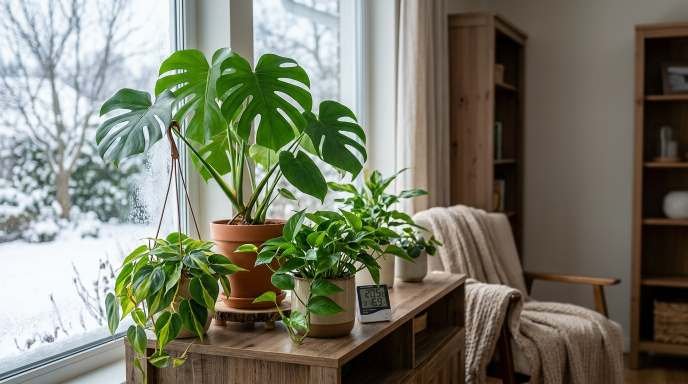
Winter can be surprisingly difficult for indoor plants. Even though your plants are inside, cold window glass, drafts, exterior doors, reduced sunlight, and dry heated air can create stressful conditions. If your plant is already showing signs of stress, use our indoor plant symptom checker to diagnose the problem fast. The best way to protect indoor plants…
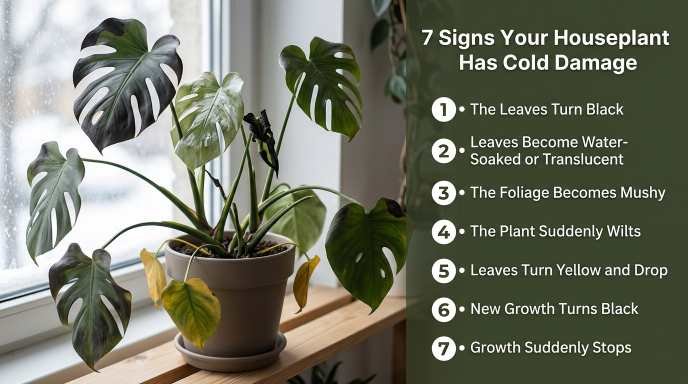
Cold damage on houseplants shows up as water-soaked or blackened leaf patches, sudden wilting, curling leaves, and yellowing that appears within hours to a few days of cold exposure. It happens when temperatures drop below a plant’s tolerance range, usually below 50°F for most tropical houseplants, rupturing plant cells and cutting off water movement inside…