The Short Answer:
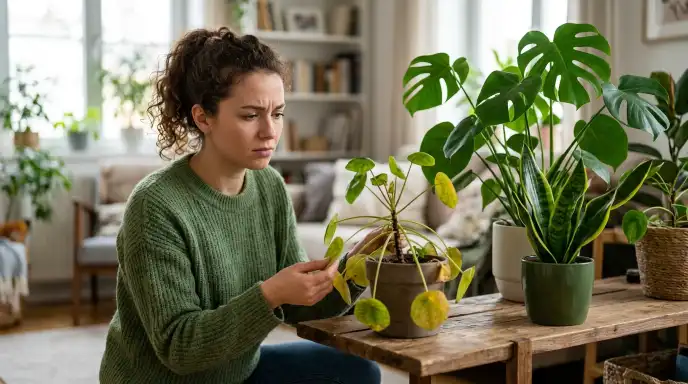
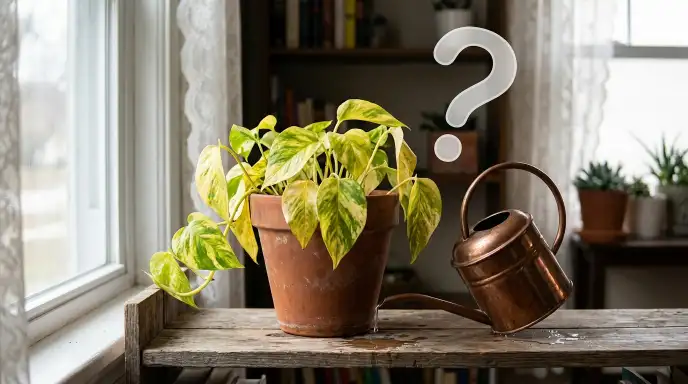
Why is my houseplant dying? Most houseplants die from overwatering, not underwatering, not lack of light, not pests. When you water too often, the roots suffocate, rot, and can no longer deliver water to the leaves. The leaves wilt and turn yellow even though the soil is wet. Beginners see wilting, assume the plant is thirsty, water more, and the plant dies faster. Root rot is the common cause; learn about root rot in this guide.
But overwatering isn’t the only culprit. Yellow leaves can mean too much water, too little water, or a nutrient shortage. Brown, crispy tips usually point to dry air or fertilizer burn. Wilting can signal either drought or root rot; the fix depends entirely on what’s happening below the soil surface. A moisture meter helps you avoid the #1 killer of houseplants—overwatering.
How to Use This Guide
Start with what you see on the leaves. Find your symptom below. Follow the diagnostic steps in order. By the time you finish, you’ll know exactly what’s wrong and exactly what to do about it.
Quick Diagnosis Reference Table
Use this table to quickly match your plant’s symptoms with the most likely cause and the first action to take.
| Symptom | Most Likely Cause | Quick Check | First Action |
|---|---|---|---|
| Yellow leaves (widespread) | Overwatering | Soil feels wet or soggy | Stop watering; let soil dry completely |
| Yellow leaves (oldest only) | Underwatering or normal aging | Soil feels dry and dusty | Water thoroughly |
| Yellow leaves (veins stay green) | Nutrient deficiency | No fertilizer in months | Apply balanced fertilizer at half strength |
| Brown, crispy tips | Low humidity | Heat running; dry air | Add humidifier or pebble tray |
| Brown tips + recent fertilizing | Fertilizer burn | Fertilized within 2 weeks | Flush soil with water |
| Brown, bleached patches | Sun scorch | Plant in direct afternoon sun | Move away from window or filter light |
| Wilting with wet soil | Overwatering (root rot) | Soil wet; roots mushy | Stop watering; check roots; repot if needed |
| Wilting with dry soil | Underwatering | Soil bone dry; pot feels light | Water thoroughly; bottom water if compacted |
| Sudden leaf drop | Shock | Recently moved or repotted | Leave plant alone; give it time |
| Gradual leaf drop (bottom leaves) | Low light | Plant in dim corner | Move closer to window or add grow lights |
| Curling leaves | Heat stress or low humidity | Near heat source; dry air | Move away from heat; increase humidity |
| Curling + sticky residue | Pests | Visible bugs or webbing under leaves | Treat with neem oil or insecticidal soap |
| No new growth | Low light or root-bound | Roots circling pot; dim location | Move to brighter spot or repot |
| Mold on soil surface | Overwatering | Soil stays wet; poor drainage | Scrape off mold; let soil dry out |
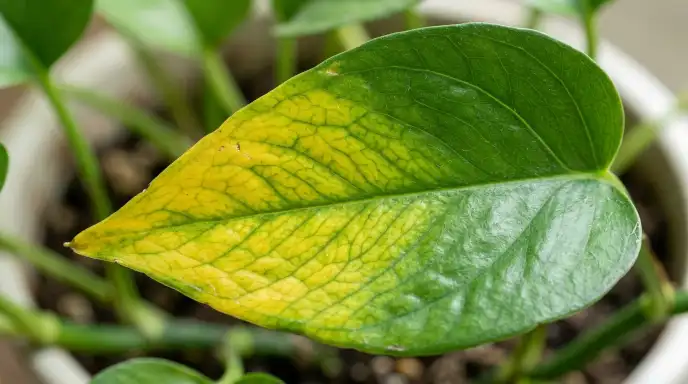
Chapter 1: Yellow Leaves
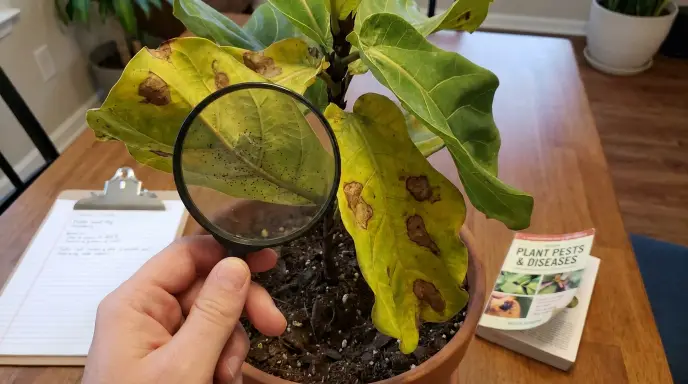
Yellow leaves are the most common distress signal a houseplant sends. The color change, technically called chlorosis, happens when the plant can’t produce enough chlorophyll. But the reason behind that failure varies dramatically.
Temperature stress can also cause yellowing. Most houseplants grow best between 65-75°F during the day. Sudden drops or spikes can trigger leaf discoloration.
Overwatering
Overwatering is the number one cause of yellow leaves. When roots sit in wet soil too long, they lose access to oxygen. Without oxygen, root cells die and rot sets in. Rotted roots can’t transport water to the leaves. The leaves turn yellow and wilt even though the soil is wet. The plant looks thirsty, so beginners water it. That makes the root rot worse. The plant dies. Learn about overwatering fixes in this guide. Learn how to tell overwatering apart from underwatering in our complete side-by-side diagnostic guide.
Underwatering
Underwatering can also cause yellowing, but it looks different. When a plant goes too long without water, the oldest, lowest leaves usually turn yellow first and drop off. The plant sacrifices its oldest foliage to keep the newer growth alive.
Nutrient Deficiency
Nutrient deficiency is a third possibility. If your plant’s leaves are turning light green or yellow but the veins stay dark green, the plant likely needs nitrogen. If the yellowing is more general and the plant hasn’t been fed in months, a balanced fertilizer may help. Yellow leaves for light or nutrients know in this guide.
How to Diagnose Yellow Leaves
Step 1: Check the soil. Stick your finger an inch into the potting mix. If it’s wet or soggy, overwatering is your problem. If it’s dry and dusty, underwatering is more likely.
Step 2: Check which leaves are yellowing. If it’s the oldest, lowest leaves only, that’s normal aging or mild underwatering. If it’s widespread across the plant, including new growth, you’re looking at a systemic issue like overwatering or a nutrient problem.
Step 3: Check the roots. Gently tip the plant out of its pot. Healthy roots are firm and white or light tan. Rotted roots are mushy, brown or black, and may have a foul odor. If you see rot, you’ve confirmed overwatering.
The Fix
For Overwatering
Stop watering immediately. Let the soil dry out completely before you water again. If the pot has no drainage hole, repot into one that does. This is non-negotiable. If root rot is advanced, trim away the mushy roots with clean scissors, repot in fresh, dry potting mix, and don’t water for several days. Know the step of repotting houseplants in this guide.
For Underwatering
Water thoroughly until it runs out the bottom. If the soil is so dry it’s pulling away from the pot sides, water from the bottom. Place the pot in a tray of water and let it soak up moisture for 30 minutes.
For Nutrient Deficiency
Apply a balanced, water-soluble fertilizer at half strength. Don’t fertilize a stressed or recently overwatered plant. Fix the watering first. Correct watering method is important, know the watering methods in this article.
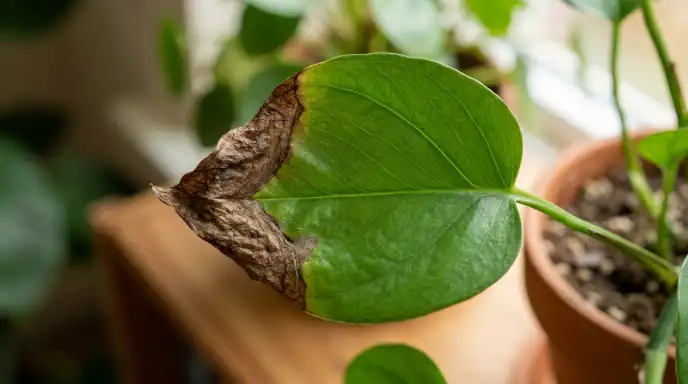
Chapter 2: Brown, Crispy Leaf Tips and Edges
Brown tips and edges are frustrating because the rest of the leaf often looks perfectly healthy. The browning is localized damage, not a systemic failure.
What Brown Tips Usually Mean
Low Humidity
Low humidity is the most common cause, especially in winter when heating systems dry out indoor air. Most houseplants come from tropical environments where humidity sits between 40% and 60%. Your home in winter might drop to 20% or lower. The leaf edges dry out and die because the plant loses moisture faster than its roots can replace it.
Fertilizer Burn
Fertilizer burn looks similar but tends to be more uniform along the edges. Salts from fertilizer accumulate in the soil. When concentrations get too high, they draw moisture out of the leaf tissue, killing the edges. If you fertilized recently and the browning showed up within days, this is your answer.
Underwatering
Underwatering can also cause brown tips, especially if the plant has been dry for extended periods. The difference: with underwatering, the whole leaf often looks stressed, not just the tip.
Too Much Direct Sun
Too much direct sun can scorch leaves, causing brown or bleached patches. This usually appears on the side facing the window, not uniformly around the edges. If your plant shows curling leaves alongside brown patches, it may be experiencing heat stress symptoms rather than simple sun scorch.
How to Diagnose Brown Tips
Check the humidity. If you’re running the heat or live in a dry climate, low humidity is likely. Look for other signs: multiple plants with brown tips, crispy leaves that crunch when touched.
Check your fertilizer log. When did you last fertilize? What strength? If it was within the past two weeks, fertilizer burn is possible. How to fertilize plants know in this article.
Check the light. Is the plant in a south-facing window getting direct afternoon sun? Is it a shade-loving plant like a fern or calathea? If yes, sun scorch is on the table. Know about the best window direction in this guide. Find out if your brown tips are from humidity, salt, or sunburn” or “Read our deep dive on the 3 main causes of crispy leaves.
The Fix
For Low Humidity
Run a humidifier near the plants. Group plants together so they create a shared microclimate. Place pots on pebble trays filled with water (the water evaporates around the plant). Misting helps for about 20 minutes, then evaporates. It’s not a real solution.
For Fertilizer Burn
Flush the soil. Run water through the pot until it pours out the bottom for a full minute. This washes out excess salts. Don’t fertilize again for at least six weeks.
For Underwatering
Increase your watering frequency. Water when the top inch or two of soil feels dry.
For Sun Scorch
Move the plant away from the window or filter the light with a sheer curtain. Trim off the brown tips. They won’t recover.
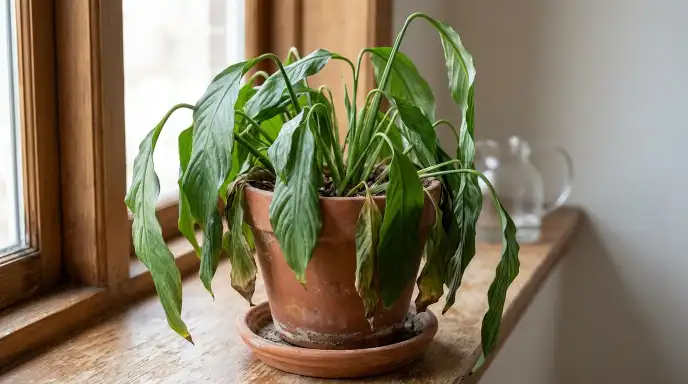
Chapter 3: Wilting (Drooping Leaves and Stems)
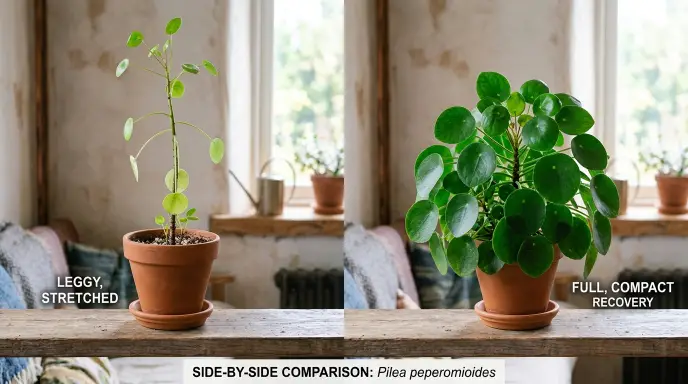
Wilting is the plant equivalent of fainting. The cells lose turgor pressure, the internal water pressure that keeps stems and leaves rigid. But here’s the twist: wilting can mean the plant has too little water or too much water. If you’re also seeing leggy, stretched-out growth alongside leaf drop, check our guide on how to fix leggy growth.
What Wilting Usually Means
Underwatering
Underwatering is the obvious cause. Without water, cells deflate. The plant droops. The fix is straightforward: water it.
Overwatering
Overwatering is the counterintuitive cause. When roots rot from excess moisture, they can’t absorb water even if the soil is soaked. The leaves wilt from dehydration despite wet soil. This is the trap that kills so many houseplants.
Temperature Stress
Temperature stress can also cause wilting. Hot drafts from heaters or cold drafts from windows and doors stress the plant, causing it to droop. During hot weather, wilting becomes more common. Check out this summer heat protection guide for strategies to keep your plants hydrated and cool.
How to Diagnose Wilting
Check the soil first. This is the single most important diagnostic step. Stick your finger in. If the soil is bone dry, you’re underwatering. If it’s wet or soggy, you’re overwatering.
Check the roots if you suspect overwatering. Mushy, brown roots confirm root rot.
Check the location if the soil moisture seems fine. Is the plant near a heating vent, an air conditioner, or a drafty window?
The Fix
For Underwatering
Water thoroughly. If the soil is compacted and water runs off the surface, bottom-water by placing the pot in a tray of water for 30 minutes. Within a few hours, you should see the plant perking up.
For Overwatering
Stop watering. Let the soil dry out. If root rot has set in, remove the plant from its pot, trim mushy roots, and repot in fresh, dry soil. Don’t water for several days after repotting.
For Temperature Stress
Move the plant away from vents, radiators, and drafty windows. Most houseplants prefer stable room temperatures between 65°F and 75°F.
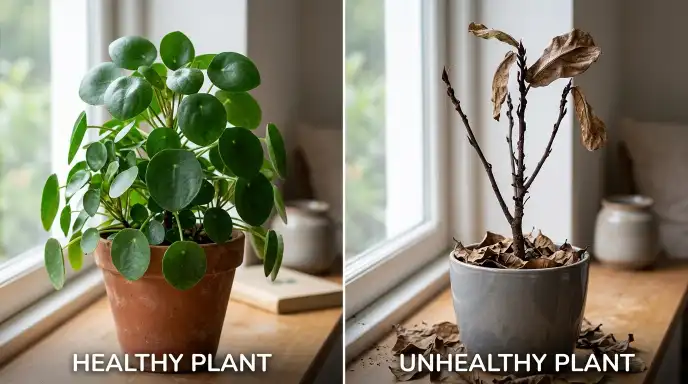
Chapter 4: Leaf Drop (Leaves Falling Off)
Some leaf drop is normal. Plants shed old foliage just like trees lose leaves in autumn. But sudden or excessive leaf drop is a red flag.
What Leaf Drop Usually Means
Shock
Shock is the most common cause of sudden leaf drop. This happens when you move the plant, repot it, or bring it home from the store. The plant experiences environmental change and drops leaves as a stress response.
Overwatering
Overwatering causes leaf drop when root rot sets in. The plant can’t support all its foliage, so it sheds leaves to reduce its water needs.
Temperature Extremes
Temperature extremes, hot drafts, cold drafts, sudden temperature swings, can trigger defoliation. If you notice water-soaked spots or blackened tissue along with leaf drop, you may be dealing with cold damage symptoms rather than simple temperature stress.
Low Light
Low light often causes gradual leaf drop, starting with the lowest leaves. The plant can’t photosynthesize enough to support all its foliage, so it sacrifices the oldest, least productive leaves.
How to Diagnose Leaf Drop
Think about recent changes. Did you just move the plant? Repot it? Bring it home? If yes, shock is likely.
Check the soil moisture. Soggy soil points to overwatering. Dry soil points to underwatering (which can also cause leaf drop).
Check the light level. Is the plant in a dim corner? Is it stretching toward the window? Low light causes gradual, lower-leaf drop. Know how much light plants need in this guide.
Check for drafts. Is the plant near an exterior door, a window that’s opened frequently, or a vent?
The Fix
For Shock
Leave the plant alone. Don’t repot it again. Don’t fertilize. Give it time to adjust. Most plants recover within a few weeks.
For Overwatering
Stop watering. Let the soil dry. If root rot is present, repot with fresh soil.
For Temperature Stress
Move the plant to a more stable location away from drafts and vents.
For Low Light
Move the plant closer to a window or supplement with grow lights.
Chapter 5: Curling Leaves
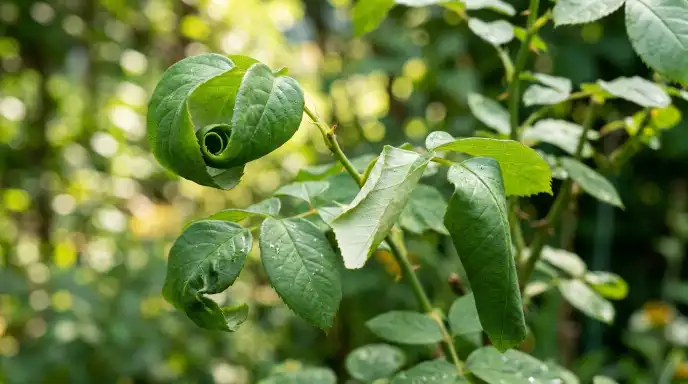
Leaves that curl inward, upward, or downward are trying to reduce surface area. The question is why.
What Curling Leaves Usually Mean
Heat Stress or Low Humidity
Heat stress or low humidity causes leaves to curl inward (often upward) to reduce the surface area exposed to dry air.
Underwatering
Underwatering causes leaves to curl and droop as cells lose turgor pressure.
Overwatering
Overwatering can also cause curling. The leaves curl and turn yellow, then brown and drop off.
Pests
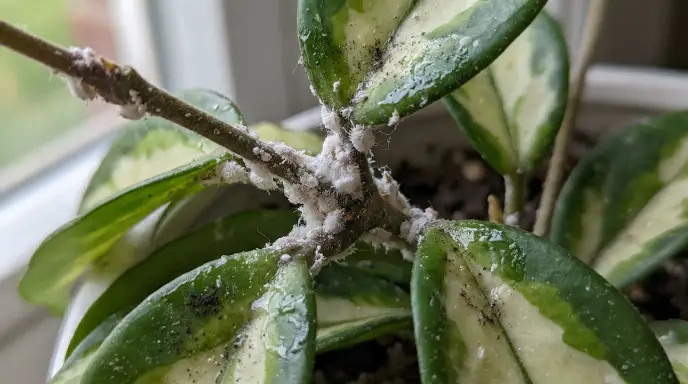
Pests like aphids and spider mites suck sap from leaves, causing distortion and curling.
How to Diagnose Curling Leaves
Check the soil. Dry means underwatering. Wet means overwatering. In-between means check humidity and temperature.
Check for pests. Look under the leaves. Spider mites leave fine webbing. Aphids cluster on new growth.
Check the environment. Is the plant near a heat source? Is the air dry?
The Fix
For Heat or Humidity Stress
Move the plant away from heat sources. Increase humidity with a humidifier, pebble tray, or by grouping plants.
For Underwatering
Water thoroughly.
For Overwatering
Stop watering and let the soil dry.
For Pests
Treat with neem oil or insecticidal soap. Isolate the plant to prevent spread.
After treating pests or removing damaged leaves, having a quality indoor gardening tool kit makes pruning and maintenance much easier.”
Chapter 6: Stunted Growth (No New Leaves)
Your plant is alive but not growing. It’s not dying, but it’s not thriving either.
What Stunted Growth Usually Means
Low Light
Low light is the most common cause. Plants need light for photosynthesis. Without enough light, they can’t produce the energy needed for new growth. If moving your plant closer to a window doesn’t help, consider using supplemental grow lights to provide the energy your plant needs.
Root-Bound
Root-bound means the roots have filled the pot and have nowhere to go. The plant is suffocating itself.
Nutrient Deficiency or Worn-Out Potting Mix
Nutrient deficiency or worn-out potting mix. The soil has been depleted of nutrients.
Overwatering
Overwatering slows growth because roots are stressed and oxygen-deprived.
How to Diagnose Stunted Growth
Check the light. Is the plant in a dim spot? Is it leaning toward the window?
Check the roots. Gently remove the plant from its pot. If roots are circling the inside of the pot or growing out the drainage holes, it’s root-bound.
Check the soil age. Has the plant been in the same pot for more than two years? The soil may be exhausted.
The Fix
For Low Light
Move the plant closer to a window or add grow lights.
For Root-Bound
Repot into a container one to two inches larger in diameter. Not bigger. Too much soil holds too much water and can cause root rot.
For Nutrient Deficiency
Apply a balanced fertilizer. If the soil is old, repot with fresh potting mix.
Chapter 7: Mold on Soil Surface
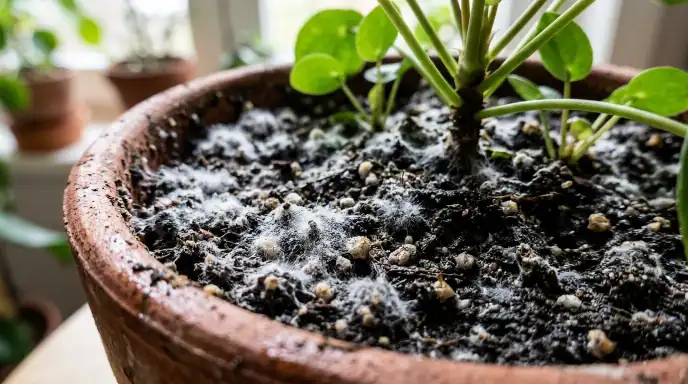
White, fuzzy growth on the soil surface is alarming but usually not deadly.
What Mold on Soil Means
Overwatering
Overwatering is the primary cause. Mold thrives in consistently wet conditions.
Poor Drainage
Poor drainage traps moisture in the pot.
Low Air Circulation
Low air circulation allows moisture to sit on the soil surface.
How to Diagnose Mold
Look at the soil. White or gray fuzzy patches mean mold. Green patches mean algae (also from excess moisture).
Check the pot. Does it have drainage holes? Is water pooling in the saucer?
The Fix
Scrape off the mold from the soil surface.
Let the soil dry out before watering again.
Improve air circulation. Move the plant to a spot with better airflow or run a small fan nearby.
Repot if the problem persists. Use fresh potting mix and ensure the pot has drainage holes.

Chapter 8: The Root Check (The Most Important Diagnostic Step)
You can read every symptom guide on the internet, but until you look at the roots, you’re guessing. This is the single most valuable diagnostic step you can take.
When to Check the Roots
- When symptoms (yellowing, wilting, leaf drop) don’t match the soil moisture
- When you’ve adjusted watering and nothing improved
- When the plant has been in the same pot for over a year
- When you see roots growing out the drainage holes
How to Check Roots
Step 1: Water the plant the day before. Dry roots are brittle and break easily. Using precision watering tools helps you control water flow and avoid overwatering, which is the leading cause of root rot.
Step 2: Squeeze the sides of the pot to loosen the root ball.
Step 3: Tip the plant out sideways, supporting the stem. Don’t pull straight up.
Step 4: Examine the roots. Healthy roots are firm and white or light tan. Rotted roots are mushy, brown or black, and may smell bad. If the roots form a solid mat circling the pot, the plant is root-bound.
What to Do Next
Healthy roots + wet soil = you’re overwatering. Let it dry out.
Healthy roots + dry soil = you’re underwatering. Water more.
Rotted roots = root rot. Trim mushy roots with clean scissors. Repot in fresh, dry soil. Don’t water for several days. Consider a hydrogen peroxide flush (one part 3% hydrogen peroxide to four parts water) to kill remaining rot pathogens.
Root-bound = repot into a container one to two inches larger. Gently loosen the outer roots. If they’re a solid mat, slice them vertically in three places with a clean knife.
Chapter 9: The Five-Minute Plant Triage
If your plant looks bad and you don’t have time for a full diagnosis, run this five-minute triage:
Minute 1: Check the soil. Stick your finger in. Wet means stop watering. Dry means water now.
Minute 2: Check the pot. Does it have drainage holes? If not, that’s a problem. Repot when you can. Learn about indoor plant pots in this guide.
Minute 3: Check the light. Is the plant in a dark corner? Move it closer to a window. Is it in direct sun but looking scorched? Move it back.
Minute 4: Check for drafts. Near a vent, radiator, or drafty window? Move it. Winter is a high-risk season for plant problems. Learn winter plant care tips to prevent issues before they start.
Minute 5: Check for pests. Look under leaves for webs, sticky residue, or visible bugs.
Nine times out of ten, the fix is in one of those five checks.
Chapter 10: A Personal Lesson in Overwatering
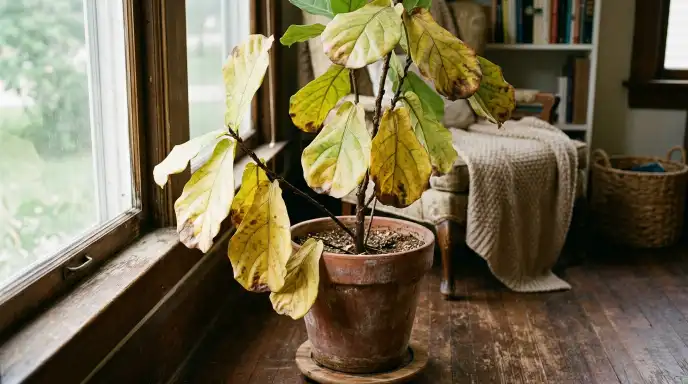
I once killed a fiddle leaf fig in three weeks flat. Watered it religiously every three days. The leaves turned yellow, then brown, then dropped. I was convinced it needed more water. By the time I checked the roots, they were mush. That plant taught me the hardest lesson in houseplant care: more water isn’t love. It’s suffocation. Now I always check the soil before I water, and I haven’t lost a plant since.
Frequently Asked Questions
Why is my plant drooping even though the soil is wet?
This is the classic overwatering trap. The roots have rotted from sitting in wet soil and can no longer absorb water. The plant wilts from dehydration even though the soil is soaked. Stop watering immediately. Let the soil dry out. If root rot is advanced, repot in fresh soil after trimming away mushy roots.
How often should I water my houseplants?
There’s no single answer. It depends on the plant, the pot size, the soil type, the light level, and the season. The finger test is more reliable than a calendar. Stick your finger an inch into the soil. If it’s dry, water. If it’s moist, wait. Most plants need the top half of the soil to dry out between waterings.
Can I save a plant with root rot?
Yes, if you catch it early. Remove the plant from its pot. Trim away all mushy, brown, or black roots with clean scissors. Repot in fresh, dry potting mix in a clean pot with drainage holes. Don’t water for several days. A hydrogen peroxide flush (one part 3% hydrogen peroxide to four parts water) can help kill remaining pathogens.
Why are the tips of my plant’s leaves turning brown?
Most commonly low humidity or fertilizer burn. Check if you’re running heat (which dries the air) or if you fertilized recently. Increase humidity with a humidifier or pebble tray. If it’s fertilizer burn, flush the soil by running water through the pot for a full minute.
Should I cut off damaged leaves?
Yes. Brown, yellow, or damaged leaves won’t recover. They drain energy from the plant that could go toward new growth. Trim them off with clean scissors. For brown tips, you can trim just the damaged portion.
Why is my plant dropping leaves in winter?
Winter brings lower light, drier air from heating, and cooler temperatures near windows. Plants slow their growth and may drop leaves as a stress response. Reduce watering (plants use less water in low light), increase humidity, and move plants closer to windows or add grow lights.
How do I know if I’m overwatering or underwatering?
Check the soil. Wet or soggy means overwatering. Dry and dusty means underwatering. Also check the leaves: overwatered leaves often turn yellow and feel soft; underwatered leaves turn brown and crispy at the edges.
What’s the number one killer of houseplants?
Overwatering. More houseplants die from too much water than from anything else. When in doubt, water less.
Final Notes
This guide covers the most common symptoms and their fixes, but every plant is different. A succulent has very different needs from a fern. A monstera in a south-facing window needs more water than the same plant in a north-facing room. The principles here apply across the board, but always consider your specific plant, your specific home, and your specific conditions.
If you’ve tried everything in this guide and your plant is still struggling, check the plant’s specific care requirements. Some plants are naturally fussy. Some are nearly impossible to kill. Knowing which you have makes all the difference. Also if you want to learn details about whole plant care read this guide.