Miracle-Gro Indoor Potting Mix
Sick of root rot? Discover the best perlite potting mixes for ultimate drainage and aeration. We review Miracle-Gro, FoxFarm, rePotme, and more.
Product Brand: Miracle-Gro
Product In-Stock: InStock
4.59
If you’ve ever watched a prized houseplant slowly decline despite regular watering, the culprit might not be your green thumb; it’s likely what’s in your pot.
I learned this the hard way a few years back with a beautiful Peace Lily. I grabbed the cheapest bag of “indoor soil” I could find, potted it up, and watched the leaves droop within days. I watered more, thinking it was thirsty, but the soil was a dense, swampy mess that starved the roots of oxygen. Conversely, when I tried a fast-draining mix that wasn’t balanced, the water drained so quickly that the roots never had a chance to drink.
Finding that perfect sweet spot soil that drains excess water quickly, leaves room for air pockets around the roots, and still retains enough moisture to keep your plant hydrated is harder than it looks. Read this guide to know about what is perlite.
That is where perlite comes in. As a lightweight, highly porous volcanic amendment, perlite is the secret to preventing soil compaction and promoting root aeration. But not all commercial mixes use perlite the same way. Two bags can both say “with perlite” on the label and behave completely differently once they’re in a pot. Read this to know how to add perlite step by step.
To help you find the absolute best substrate for your indoor jungle, we compared the leading commercial mixes on the market, checking ingredients, drainage, moisture retention, plant suitability, and overall value. Whether you grow hardy Pothos, organic herbs, or fussy Monstera, here are the best perlite potting mixes you can buy on Amazon today. While this guide focuses on perlite, read our expert reviews on the best complete potting soils for a ready-to-use option.
Quick Comparison: The Best Perlite Potting Mixes
| Rank | Potting Mix | Best For | Key Ingredients | Price Tier | Why Buy It |
|---|---|---|---|---|---|
| 🥇 1 | Miracle-Gro Indoor Potting Mix | Most Houseplants | Peat Moss, Coir, Perlite, Fertilizer, Wetting Agent | $ (Budget-friendly) | Easiest ready-to-use, gnat-resistant blend for beginners. |
| 🥈 2 | Back to the Roots Organic Indoor | Peat-Free & Organic | Coconut Coir, Perlite, Mycorrhizae, Yucca Extract | $$ (Moderate) | 100% peat-free, organic, and highly sustainable. |
| 🥉 3 | FoxFarm Happy Frog Potting Soil | Established Houseplants | Peat Moss, Perlite, Aged Forest Products, Worm Castings | $$$ (Premium) | Extremely rich organic nutrients and active microbes. |
| 4 | FoxFarm Ocean Forest | Established Tropicals | Forest Products, Peat Moss, Sandy Loam, Perlite, Guano | $$$ (Premium) | Broad-base, nutrient-heavy mix for hungry tropical plants. |
| 5 | Espoma Organic Potting Mix | Organic General Use | Peat Moss, Perlite, Forest Products, Worm Castings, Myco-Tone | $$ (Moderate) | Traditional, trusted organic brand with root-boosting bio-amendments. |
| 6 | rePotme Philodendron Imperial Mix | Monstera & Aroids | Coconut Coir, Perlite, Monterey Pine Bark, Charcoal, Vermiculite | $$$$ (Specialty) | Ultra-chunky, artisanal, handcrafted blend for maximum aeration. |
Detailed Reviews: The 6 Best Perlite Potting Mixes
1. Miracle-Gro Indoor Potting Mix — Best Overall
Best for: Pothos, Philodendron, Peace Lily, Spider Plants, Snake Plants (amended), and general mixed collections.
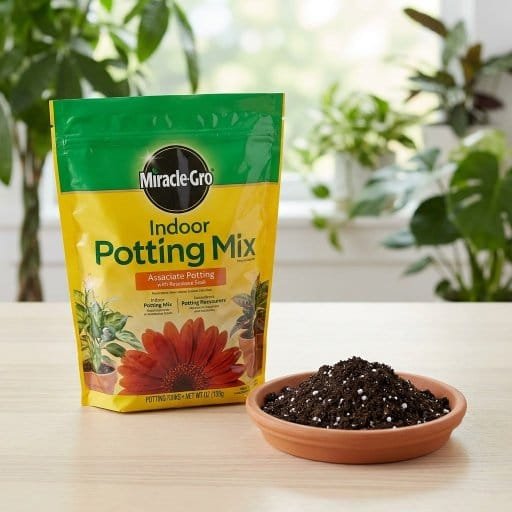
Miracle-Gro Indoor Potting Mix is the industry standard for a reason. Specifically designed for indoor container plants, this lightweight formula combines sphagnum peat moss, coconut coir, perlite, synthetic fertilizer, and a wetting agent.
The magic is in the formulation: the coir and peat retain steady moisture so you aren’t watering every other day, while the perlite creates critical drainage and air spaces to keep roots healthy. Furthermore, Miracle-Gro has specifically formulated this mix without bark or compost, which is a massive win for indoor gardeners. Compost and bark are notorious for harboring fungus gnats, so this clean blend helps keep your home gnat-free.
- Typical Price: ~$5.97 (6-Quart bag) | ~$10.00–$12.00 (16-Quart bag)
- NPK Ratio: 0.25 – 0.13 – 0.19 (Feeds up to 6 months)
- Rating: 4.6/5
- Review Count: 1,674+
- Key Insight: Amazon’s Choice product with balanced features; some users report fungus gnat issues
Pros
- Specially formulated to minimize fungus gnats (no bark or compost)
- Excellent, consistent water retention and drainage balance
- Easy and ready-to-use for beginners without custom mixing
- Inexpensive and widely available
Cons
- Contains synthetic fertilizers (not suitable for organic-only purists)
- Can hold slightly too much moisture for desert succulents without added perlite
The Verdict: If you want a reliable, budget-friendly “one-and-done” bag that works beautifully across 90% of common houseplants, this is the strongest starting point.
2. Back to the Roots Organic Indoor Potting Mix — Best Peat-Free Option
Best for: Sustainable organic gardening, eco-conscious growers, and peat-free indoor cultivation.
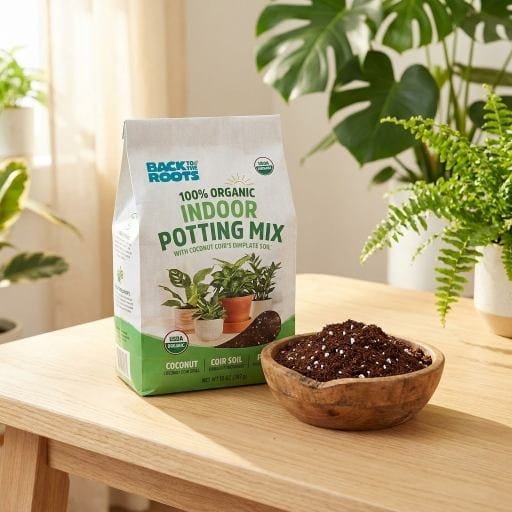
For gardeners who want to avoid peat moss due to environmental concerns, Back to the Roots Organic Indoor Potting Mix is a stellar choice. Instead of peat, it uses a sustainable base of coconut coir, blended with coarse perlite, yucca extract, organic plant food, dolomitic limestone, and symbiotic mycorrhizae.
The addition of mycorrhizae (beneficial fungi) is a huge bonus here—it colonizes root systems to help plants absorb water and nutrients more efficiently. The yucca extract (saponin) acts as an organic wetting agent, ensuring the coconut coir absorbs water evenly instead of letting it pool on top. Like Miracle-Gro, this specialty indoor mix is formulated without compost or bark to keep annoying fungus gnats at bay.
- Typical Price: ~$9.99 (6-Quart bag) | ~$14.99 (12-Quart bag)
- Organic Status: 100% Organic & Peat-Free (USDA Certified Organic)
- Rating: 4.5/5 (estimated based on customer recommendation rate)
- Review Count: Information missing
- Key Insight: 83% recommend; praised for being organic and peat-free
Pros
- Top organic and peat-free choice.
- Environmentally friendly.
Cons
- More expensive than standard mixes.
- Moisture retention can vary.
The Verdict: This is the absolute best option on the market if you want a premium, peat-free, organic indoor soil that supports robust root development while protecting the environment.
3. FoxFarm Happy Frog Potting Soil — Best Nutrient-Rich Mix
Best for: Established tropical houseplants, heavy-feeding foliage plants, and plants showing signs of stunted growth.
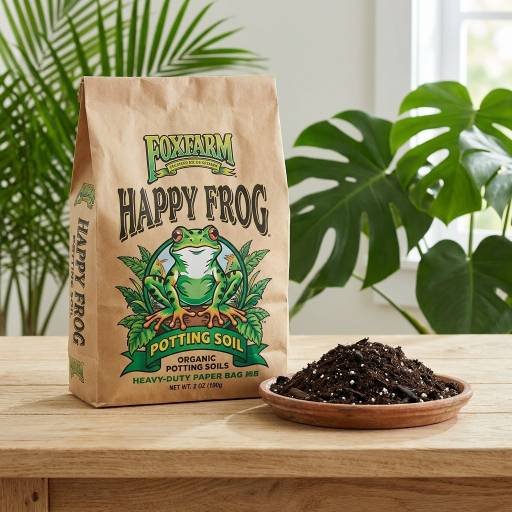
FoxFarm Happy Frog is legendary in the houseplant community. Far from a basic peat-and-perlite blend, Happy Frog features a highly premium, bio-active ingredient list: sphagnum peat moss, perlite, aged forest products, earthworm castings, bat guano, humic acids, and mycorrhizae.
This mix is alive with active soil microbes that break down nutrients and deliver them straight to your plant’s roots. The generous perlite content keeps this rich, dark soil from compacting over time. It is a fantastic choice when you are repotting a mature houseplant that has already outgrown its starter soil and needs a serious energy boost to push out lush, vibrant new leaves.
- Typical Price: ~$15.00–$20.00 (12-Quart bag) | ~$30.00–$38.00 (2 Cubic Feet bulk bag)
- Key Feature: Active soil microbes and fungi for enhanced nutrient uptake
- Rating: 4.7/5
- Review Count: 7,710+
- Key Insight: Highly rated for root development and organic nutrients
Pros
- Incredibly rich, organic nutrient profile.
- Excellent soil structure that resists compaction.
- IMycorrhizal fungi support superior root networks.
- High-quality organic ingredients (worm castings, bat guano)
Cons
- Can be too rich (nutrient-dense) for delicate seedlings or unrooted cuttings
- MPremium pricing compared to standard retail mixes
The Verdict: If you grow vigorous, leafy tropicals like Fiddle Leaf Figs or split-leaf Monsteras and want a rich, living soil that reduces the need for immediate liquid fertilizing, Happy Frog is worth every penny.
4. FoxFarm Ocean Forest — Best Rich Mix for Established Tropical Plants
Best for: Large Fiddle Leaf Figs, Monsteras, Philodendrons, and mature outdoor/indoor container plants.
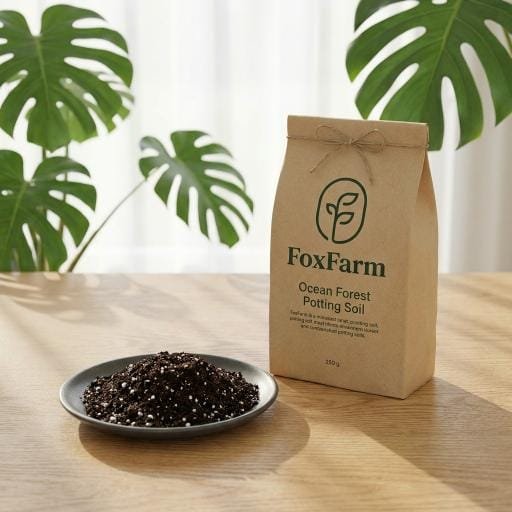
Ocean Forest is FoxFarm’s powerhouse blend, and it sits right alongside Happy Frog in their premium line. However, the formulation is slightly heavier and broader in its organic inputs. It is built around aged forest products, sphagnum peat moss, perlite, sandy loam, bat guano, earthworm castings, crab meal, and kelp meal.
While Happy Frog places a heavy emphasis on soil biology (microbes and mycorrhizae), Ocean Forest focuses on a diverse, mineral-and-sea-based nutrient foundation. The sandy loam and perlite give this rich potting medium a wonderfully aerated texture.
- Happy Frog vs. Ocean Forest: Choose Happy Frog for young-to-mature indoor foliage plants where you want organic soil biology and a slightly gentler feed. Choose Ocean Forest when repotting massive, established tropicals that need a heavy, robust, broad-base nutrient charge.
- Typical Price: ~$15.00–$18.00 (12-Quart bag) | ~$25.00–$30.00 (1.5 cubic-foot bag)
- Rating: 4.8/5 (estimated from positive reviews)
- Review Count: 8,799+
- Key Insight: Premium choice for tropical plants; users call it “as close to perfect as you can get
Pros
- Exceptional broad-spectrum nutrition (kelp, crab meal, bat guano)
- Superb structural aeration thanks to a loam-and-perlite balance
- Highly reputable brand with excellent customer satisfaction
Cons
- Can run “hot” (heavy in fertilizer), which can occasionally burn tender, sensitive seedlings
- Pricier than standard commercial mixes
The Verdict: For established, heavy-feeding tropical giants, Ocean Forest provides the ultimate rich environment to support massive leaf expansion and trunk strength.
5. Espoma Organic Potting Mix — Best Organic General-Purpose Mix
Best for: Gardeners looking for a traditional organic, peat-based mix from an established, trusted brand.
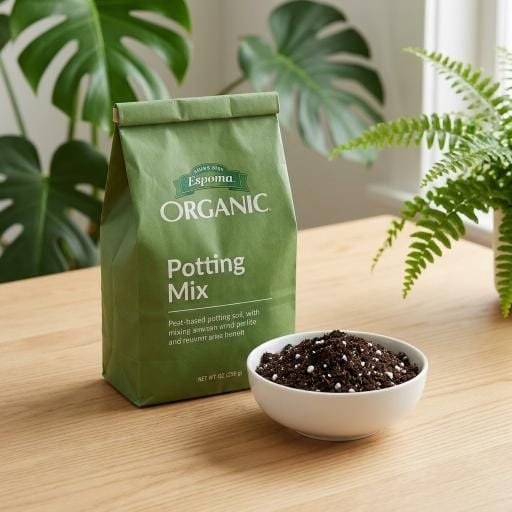
Espoma is a household name in organic gardening, and their Organic Potting Mix is a fantastic general-purpose option. This mix blends sphagnum peat moss, perlite, forest products, humus, earthworm castings, and alfalfa, feather, and kelp meals.
Unlike Back to the Roots, which is entirely peat-free, Espoma utilizes traditional peat moss to achieve excellent moisture retention. It is enhanced with Espoma’s proprietary Myco-Tone, a blend of mycorrhizae that has been proven to reduce transplant shock and promote up to 30% more root growth. It is a highly balanced, gentle mix that won’t burn sensitive roots.
- Back to the Roots vs. Espoma: Choose Back to the Roots if peat-free ingredients are your absolute priority. Choose Espoma if you want a traditional, peat-based organic mix that retains moisture slightly longer and comes from a legacy organic brand.
- Typical Price: ~$8.00–$12.00 (4-Quart or 8-Quart bags)
- Rating: 4.7/5
- Review Count: Information missing
- Key Insight: Known for mycorrhizal benefits; performs well for herbs and vegetables
Pros
- Balanced and gentle organic nutrients (won’t burn delicate plants)
- Includes Myco-Tone mycorrhizal blend for strong root systems
- Widely trusted, long-standing organic brand
- Reasonable price point for a premium organic soil
Cons
- Holds more moisture than dry-loving cacti and succulents prefer
- Not specialized for chunky-loving aroids
The Verdict: A highly reliable, high-performing organic soil that is perfect for potting up a diverse houseplant collection without worrying about synthetic chemical run-offs. How to handle perlite safely, learn from this guide.
6. rePotme Philodendron/Aroid Imperial Potting Soil Mix — Best for Monstera and Aroids
Best for: Monstera (Albo, Deliciosa), Philodendron, Anthurium, Pothos, and other epiphytic climbing plants.
This is the luxury, specialty option in our lineup—and it is a complete game-changer for aroids. Epiphytes like Monstera and Anthurium grow attached to tree trunks in the wild; their roots are adapted to crawl through loose debris and climb into open air. Planting them in a dense, standard potting soil is a fast track to root rot.
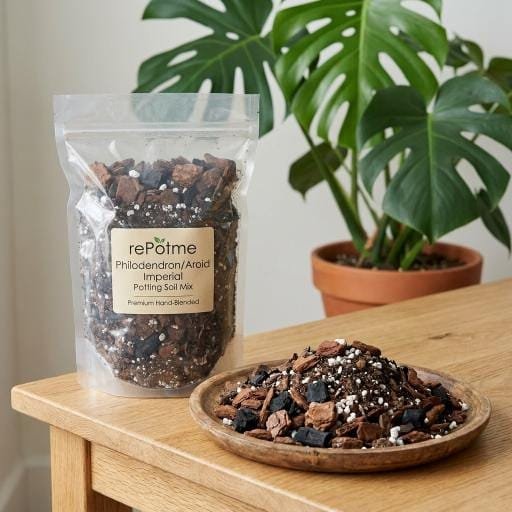
The rePotme Philodendron/Aroid Imperial Mix solves this perfectly by completely reimagining soil structure. Handcrafted in small batches, this mix combines coconut coir, coarse perlite, premium Monterey pine bark, horticultural charcoal, and fine vermiculite. This results in an incredibly chunky, airy substrate. The Monterey pine bark contains natural pinene, which repels common soil pests while providing lasting structure, and the charcoal sweetens the soil and absorbs impurities.
- Typical Price: ~$17.95 (2-Quart Mini Bag) | Also available in larger 4-Quart and 8-Quart sizes
- Texture: Ultra-chunky and fast-draining (the ultimate oxygen-rich root environment)
- Rating: 4.5/5
- Review Count: Information missing
- Key Insight: Premium hand-blended mix praised for quality and drainage, but some note it’s pricey
Pros
- Designed specifically for the respiratory needs of aroid roots
- Highly structured; will not compact over years of watering
- Premium, hand-blended ingredients ( pine bark, charcoal, and perlite)
- Exceptional drainage and aeration
Cons
- Expensive (high cost-per-quart)
- Overkill for basic, non-aroid houseplants (like Spider Plants or ferns)
- Dries out much faster, requiring more frequent watering than dense soils
The Verdict: If you are growing rare or valuable aroids (like a Variegated Monstera or a Philodendron Pink Princess), do not risk standard soil. This handcrafted, chunky blend is the ultimate insurance policy against root rot.
The Houseplant Potting Mix Reference Guide
To make things easy, here is a quick reference table showing which commercial mix works best for your specific green friends:
| Houseplant | Best Type of Mix | Recommended Product |
|---|---|---|
| Pothos | Balanced indoor mix | Miracle-Gro Indoor Potting Mix |
| Philodendron | Airy, chunky mix | rePotme Philodendron/Aroid Imperial Mix |
| Monstera | Chunky, highly-oxygenated mix | rePotme Philodendron/Aroid Imperial Mix |
| Peace Lily | Moisture-retentive, balanced mix | Miracle-Gro Indoor Potting Mix |
| Snake Plant | Fast-draining, high-drainage mix | Espoma Organic (amended with 30% extra Perlite) |
| ZZ Plant | Extremely fast-draining mix | Espoma Organic (amended with 30% extra Perlite) |
| Spider Plant | Balanced general-purpose mix | Miracle-Gro Indoor Potting Mix |
| Fiddle Leaf Fig | Airy, rich, organic nutrient mix | FoxFarm Happy Frog Potting Soil |
| Anthurium | Chunky, bark-and-charcoal mix | rePotme Philodendron/Aroid Imperial Mix |
| Succulents & Cacti | Mineral-heavy desert mix | Dedicated Cactus Soil (do not use general mixes) |
Buyer’s Guide: Understanding Perlite in Potting Mixes
What is Perlite and Why Does It Matter?
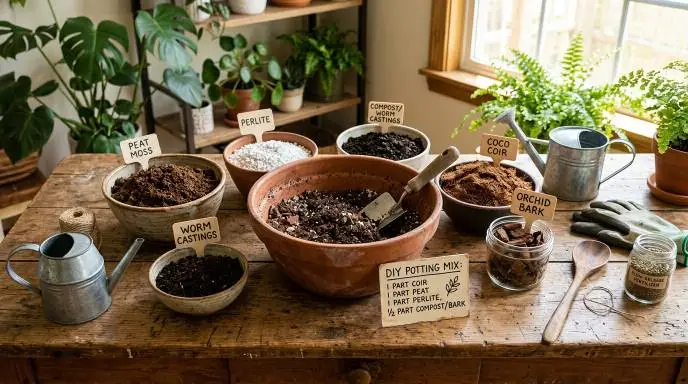
Perlite is a lightweight, sterile volcanic glass that is heated to extreme temperatures until it “pops” like popcorn, expanding up to 20 times its original size. Under a microscope, perlite is covered in tiny cavities that trap air and hold a thin film of water on its surface.
In potting mixes, perlite acts as a structural spacer. It keeps fine soil particles (like peat and coir) from sticking together and compacting under the weight of watering. Its main benefits include:
- Increased Oxygen: Plant roots need to breathe. Perlite creates air pockets that supply oxygen directly to the root zone.
- Superior Drainage: Water flows freely through perlite channels, letting excess moisture drain out of the pot.
- Prevention of Compaction: Over time, gravity and watering make soil dense. Perlite maintains its structure, keeping the soil light and fluffy.
Is More Perlite Always Better?
No. This is a common misconception among indoor gardeners. While adding perlite increases drainage and aeration, adding too much reduces the soil’s water-holding capacity. Read this guide to learn the perfect ratio of perlite to potting soil
- A Snake Plant or ZZ Plant can thrive in a mix with up to 40% perlite because they prefer dry roots.
- A Peace Lily or Fern will droop and suffer in a high-perlite mix because they require consistent, even moisture.
The goal isn’t maximum drainage; it is appropriate drainage tailored to your specific plant.
Perlite vs. Pumice: What’s the Difference?
Both are volcanic materials used for drainage, but they have distinct differences:
- Perlite: Extremely lightweight, affordable, and easy to find in any garden center. However, because it is so light, it can sometimes float to the top of the soil during heavy waterings, and it can break down into fine dust over several years.
- Pumice: Heavier, highly durable, and doesn’t float or break down. It provides a long-lasting mineral structure that is fantastic for heavy potted trees and chunky mixes. It is, however, more expensive and harder to find.
For 95% of casual houseplant growers, perlite is the most cost-effective and practical choice. Know more details in this guide on perlite vs pumice.
Should You Add Extra Perlite to Commercial Mixes?
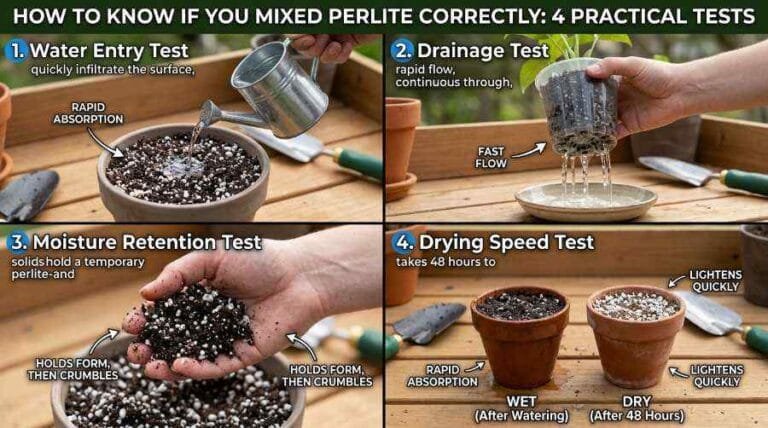
Generally, do not amend a commercial mix right away. Commercial potting mixes are scientifically formulated to balance moisture and air. Use the mix straight out of the bag first, and water your plant.
- Add more perlite if you notice water pools on top of the soil, the soil takes more than a week to dry out, or your plant prefers dry conditions. A good rule of thumb for amending dense soil is 2 parts potting mix to 1 part perlite (which creates a highly aerated mix that is roughly 30% perlite).
- Do NOT add perlite if: The water already drains freely within seconds, the soil dries at a rate that matches your plant, or the product already lists substantial perlite (like rePotme or FoxFarm Ocean Forest).
Frequently Asked Questions
Does perlite prevent root rot?
No, not by itself. Root rot is caused by anaerobic pathogens that thrive in wet, oxygen-deprived soil. While perlite improves drainage and increases oxygen around the roots (making the environment hostile to root rot), it cannot prevent rot if you overwater your plants, use a pot without drainage holes, or grow plants in low-light conditions.
Can I use general potting soil with perlite for succulents?
You can, but it is not ideal. Most general-purpose indoor mixes are formulated with peat or coir to hold onto water, which can easily waterlog a succulent’s delicate root system. A dedicated cactus and succulent mix containing a substantial amount of sand, gravel, and perlite is a much safer starting point.
What is the best potting mix for Monstera?
A chunky, coarse mix is best. In the wild, Monsteras climb trees and have highly active, thick roots. A specialized, airy blend containing perlite, orchid bark, charcoal, and coconut coir (such as rePotme’s Philodendron Imperial Mix) is perfect for supporting healthy Monstera growth.
Why does perlite float to the top of my soil?
Because perlite is incredibly lightweight and filled with air, heavy waterings can cause it to dislodge from the peat or coir and float to the soil surface. Watering gently with a rain-head watering can or practicing bottom watering (letting the pot sit in a tray of water) can help prevent this.
Final Verdict: Which Perlite Potting Mix Should You Buy?
If you only want to buy one bag of soil today, make your choice based on your plant collection:
- For a standard, low-maintenance collection (Pothos, Spider Plants, Peace Lilies), grab Miracle-Gro Indoor Potting Mix. It is cheap, easy, and designed to prevent houseplant-killing fungus gnats.
- For organic and eco-friendly growing, buy Back to the Roots Organic Indoor Potting Mix. It is 100% peat-free, organic, and feeds your roots with active mycorrhizae.
- For hungry, mature foliage plants, go with FoxFarm Happy Frog. Its rich castings and microbes will supercharge your plant’s growth.
- For Monstera, Philodendrons, and premium aroids, invest in rePotme Philodendron/Aroid Imperial Mix. It provides the ultra-chunky, rot-resistant structure your prized plants deserve.
Still unsure which mix is right for your plant? Leave a comment below with your plant type, and I’ll help you choose the perfect match.