The right pot size for houseplants is only 1 to 2 inches wider in diameter than the plant’s current root ball. Anything bigger sounds generous, but it usually causes more harm than good. Anything smaller and the plant simply outgrows its space too fast.
That one rule solves most of the guesswork, but it doesn’t tell you how to measure a root ball, why an oversized pot is riskier than people assume, or which pot shape actually suits your plant. Getting the sizing right comes down to a handful of checks, not a single number, and this guide covers all of it in plain terms so you can pick with confidence instead of eyeballing it at the store.
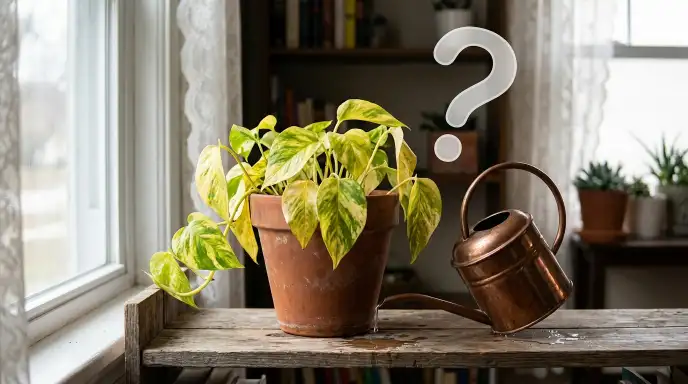
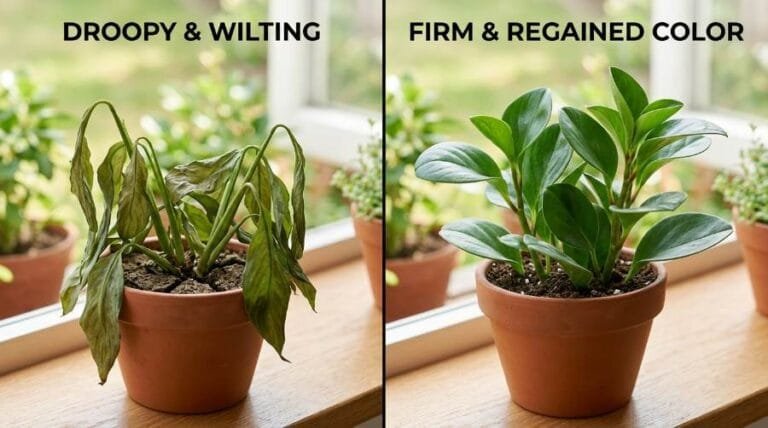
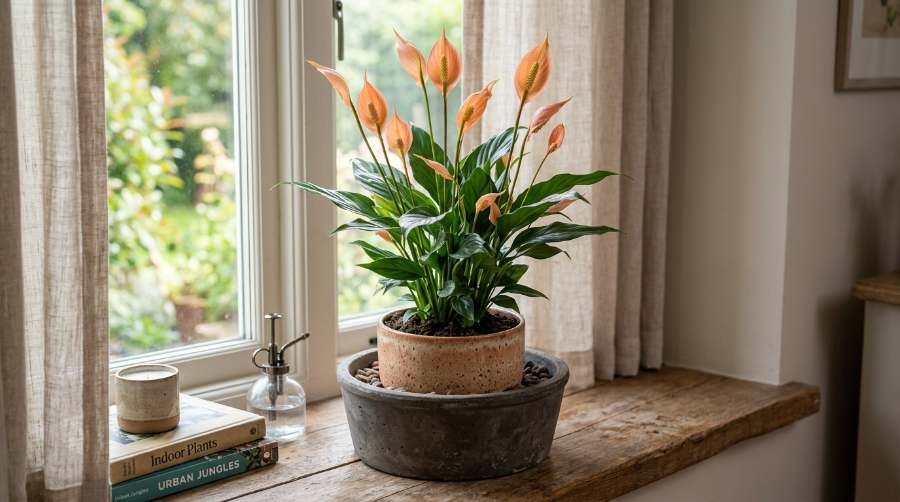
I once “upgraded” a peace lily into a pot nearly double its old size because it looked cramped. Six weeks later, the leaves yellowed, and the soil stayed wet for days. I’d overpotted it, and that mistake is exactly why this guide exists.
The 1-2 Inch Rule for Choosing the Right Pot Size
The core rule for picking the right pot size for houseplants is simple:
Increase the diameter by 1 to 2 inches for most plants, and never more than that in a single move.
That number isn’t arbitrary, and it changes slightly depending on how fast the plant grows.
Slow growers (snake plants, ZZ plants, succulents):
Stick to a 1-inch increase. Their root systems expand slowly, so a small bump gives them plenty of room without leaving excess soil unused.
Fast growers (pothos, philodendron, monstera):
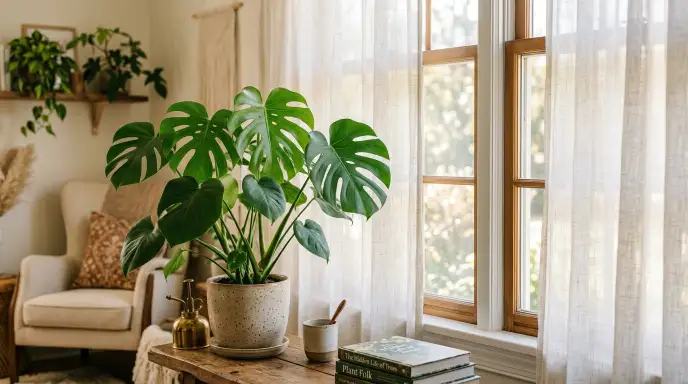
2 to 3 inches is fine. These plants fill new soil quickly, so a slightly larger jump doesn’t sit unused for long.
The reasoning behind the rule comes down to moisture. Extra soil that isn’t yet reached by roots holds water far longer than soil that’s actively being used. That prolonged wetness is exactly what invites root rot, which is why “bigger is better” rarely applies here.
How to Measure Your Plant’s Root Ball for the Right Pot Size
Most pot size advice stops at “1 to 2 inches wider” without explaining how to actually check that against the plant in front of you. Here’s the process.
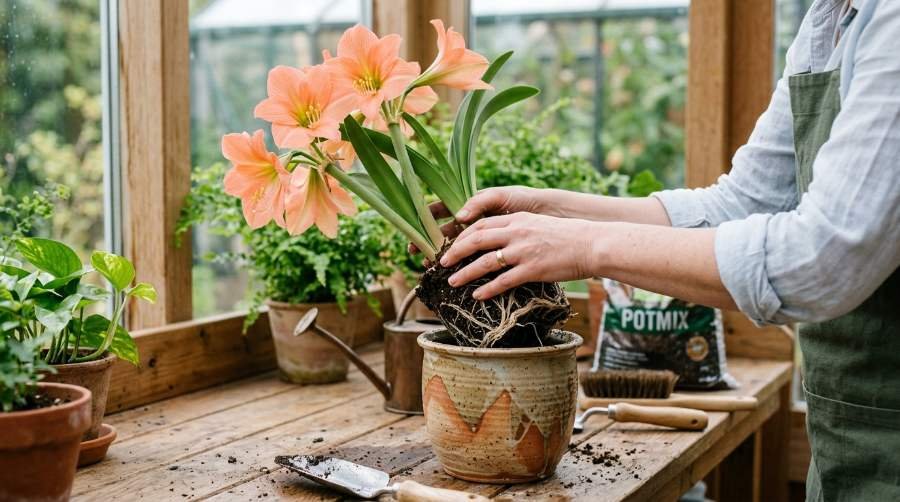
- Gently remove the plant from its current pot:
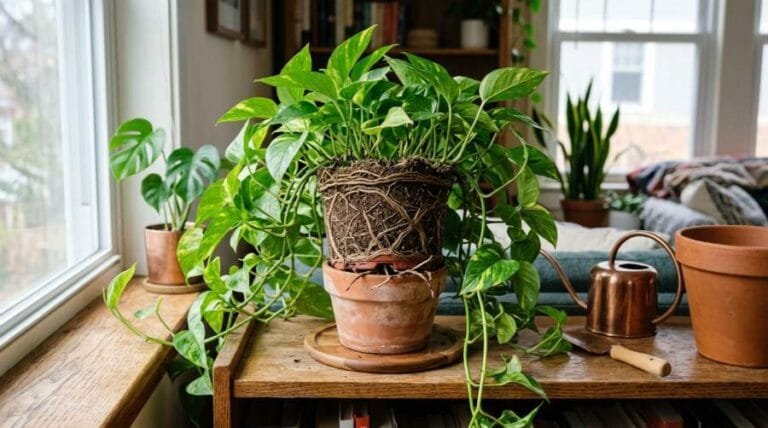
Tip the pot sideways, loosen the edges, and slide the plant out rather than pulling on the stem. - Measure the widest point of the root ball, not the leaves:
Foliage spread has nothing to do with pot size, only the root mass matters here. - Compare that number to the new pot’s interior diameter, not the outer rim:
This is a common measuring mistake. A pot with a wide decorative lip can look bigger than its actual interior space. - Use the 80% rule as a gut check:
If the roots fill roughly 80% of the current pot’s soil, with little bare soil left around the edges, it’s time to size up. If there’s still visible empty soil, the plant likely has room to grow where it is.
This four-step check takes less than a minute and removes almost all of the guesswork that leads to overpotting.
Why the Wrong Pot Size Hurts More When It’s Too Big Than Too Small
Most pot size guides warn against oversized pots without really explaining why it’s the bigger risk. The mechanism is worth understanding, because it changes how you think about sizing altogether. Learn about the best indoor plant pots in this guide.
Roots can only pull water from soil they’re in direct contact with. When a small root system sits inside a large pot, most of that soil goes untouched. It stays damp for days, sometimes weeks, because nothing is absorbing the moisture. That prolonged wet environment starves roots of oxygen and creates ideal conditions for the fungi that cause root rot.
Underpotting, by comparison, is far less dangerous. A slightly-too-small pot dries out faster and can stunt growth over time, which isn’t ideal, but it rarely kills a plant outright. A plant left a little snug for a few extra months is inconvenient. A plant sitting in oversized, waterlogged soil is a real threat to its roots.
That asymmetry is the whole reason the sizing rule leans conservative. When you’re unsure between two pot sizes, the smaller one is almost always the safer choice.
Right Pot Size Isn’t Just Diameter: Matching Shape and Depth to Your Plant’s Root System
Diameter is only part of the equation. Depth and shape matter just as much, and they depend entirely on how a plant’s roots naturally grow.
| Pot Type | Best For | Why |
|---|---|---|
| Deep pots | Large plants with robust root systems, like fiddle leaf figs and rubber plants | Anchors heavy foliage and gives room for roots that grow downward |
| Shallow, wide pots | Succulents, cacti, and peperomia | Matches their naturally shallow, spreading roots and avoids unused soil depth |
| Tapered pots | Most houseplants, with care | The base needs to be wide enough that the root ball isn’t compressed at the bottom |
A plant with deep, structural roots placed in a shallow pot will look unstable and struggle to anchor itself. A shallow-rooted succulent placed in a deep pot ends up with a lot of unused soil below the roots, which brings the same moisture problem covered above, just in a different direction.
Quick Reference: Right Pot Size by Common Houseplant Type
Here’s how the sizing rule plays out across a few of the most commonly grown houseplants.
| Plant | Recommended Depth | Growth Speed | Sizing Notes |
|---|---|---|---|
| Pothos / Philodendron | Medium | Fast | Size up 2 to 3 inches |
| Snake Plant | Shallow to medium | Slow | Size up 1 inch only |
| Monstera | Deep | Fast | Size up 2 to 3 inches; use a sturdy base |
| Succulents / Cacti | Shallow | Slow | Prioritize drainage over depth |
| Fiddle Leaf Fig | Deep | Moderate | Size up 2 inches, heavier pot for stability |
| Peace Lily | Medium | Moderate | Size up 1 to 2 inches |
This is a starting point, not a strict rulebook. Use it as a quick reference for plants you already know well, but always check the actual root ball against the rules above rather than sizing purely off the plant’s name.
Don’t Forget Drainage: Pot Size Means Nothing Without It
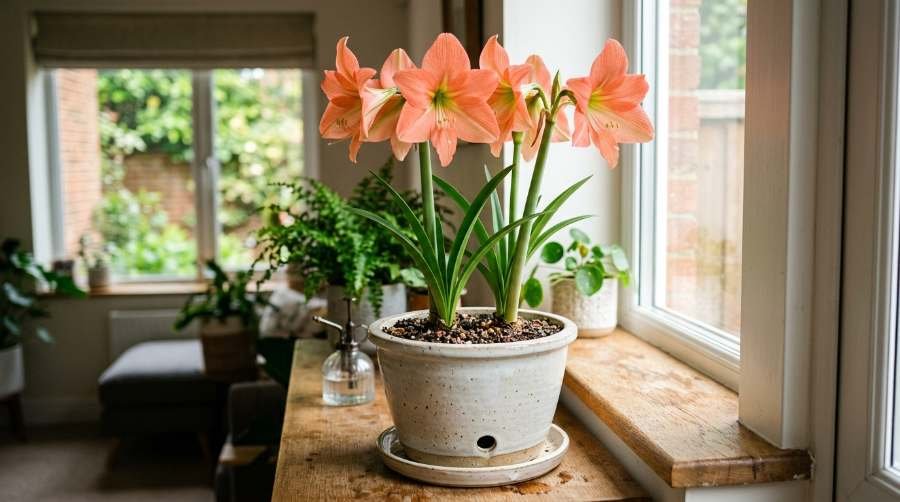
Even the right pot size for houseplants causes problems if it doesn’t drain. Without a drainage hole, excess water has nowhere to go, regardless of how well the pot matches the root ball.
This trips people up most often with decorative outer pots, sometimes called cachepots, that hold a plastic nursery pot inside. If water is poured directly into that decorative outer pot without a way to drain, it pools at the bottom, and the inner pot sits in standing water.
The fix is simple:
Either drill drainage holes into decorative pots you plan to plant into directly, or keep the plant in its drained nursery pot and set that inside the decorative one.
Choosing the Right Pot Size When It’s Time to Repot
Pot size and repotting timing work together, not separately. Even the right size pot can add unnecessary stress if the move happens at the wrong time of year.
Spring and early summer are generally the best window for repotting, since plants recover fastest during active growth. For a full breakdown of seasonal timing, along with what to do if you need to repot outside that window, see our guide on the best time of year to repot houseplants.
Quick Answer Recap: Choosing the Right Pot Size for Houseplants
Getting this right comes down to a few repeatable checks rather than guesswork:
- The right pot size for houseplants is 1 to 2 inches wider in diameter than the current root ball, never a dramatic jump.
- Use the 80% root rule to check if a plant is actually ready to size up.
- Overpotting carries a higher risk than underpotting, since excess wet soil leads to root rot.
- Match pot shape and depth to the plant’s natural root system, deep for structural roots, shallow and wide for succulents.
- Pot size only works alongside proper drainage.