The best time of year to repot houseplants is from spring through early summer, when your plant is actively growing. That’s when roots recover fastest, new soil is used most effectively, and the whole process causes the least stress. Outside that window, repotting still works; it just takes more patience and a gentler hand.
If you’ve ever stood in your living room holding a rootbound pothos in October, wondering if you just missed your chance for the year, this article is for you. We’ll walk through exactly why spring wins, what a month-by-month timeline actually looks like, and what to do if your plant needs help right now, regardless of what the calendar says.
I once repotted a fiddle leaf fig in late November because I was impatient and the pot looked too small. It sulked for two months, dropped four leaves, and taught me that timing isn’t just a suggestion; it’s half the job.
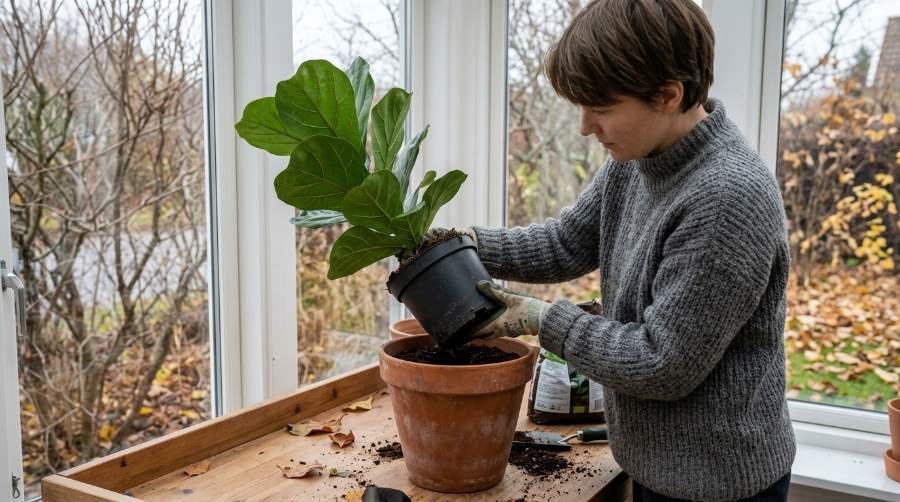
Why Spring and Early Summer Are the Best Time to Repot Houseplants
There’s a real biological reason spring and early summer top every list of good repotting windows, and it comes down to how plants allocate energy.
During spring, most houseplants shift out of dormancy and into active growth. Longer daylight hours fuel more photosynthesis, which gives the plant the energy reserves it needs to grow new roots quickly after being disturbed. According to Penn State Extension, this active growth period is when plants recover from repotting with the least setback, because root regeneration and top growth occur almost simultaneously.
Warmer temperatures play a supporting role too. Soil microbial activity, the process that helps break down organic matter and make nutrients available to roots, speeds up as temperatures rise. Fresh potting mix “wakes up” faster in warm conditions, meaning the plant isn’t just recovering from root disturbance; it’s also settling into a more nutritionally active environment right when it needs it most. Learn about ideal temperatures for plants from this guide.
Compare that to repotting in the middle of winter, when a plant has little energy to spare and soil biology has slowed to a crawl. The same disturbance that barely fazes a plant in May can set it back for months in January.
Is Your Plant Actually Ready to Be Repotted?
Timing is only half the equation. Even during the best time of year to repot houseplants, a plant that isn’t ready for a move can still struggle. Before you reach for a bigger pot, it’s worth checking a few things beyond the season.
- Root health:
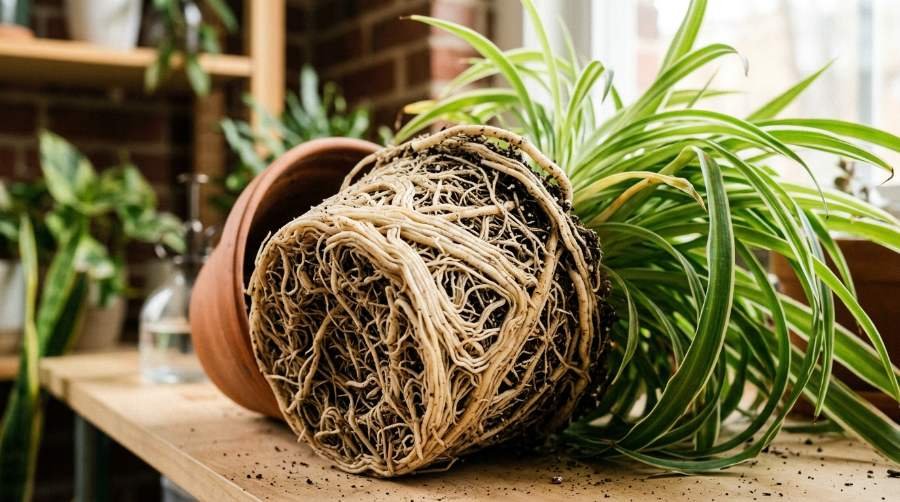
Look for roots circling tightly around the base or growing out of the drainage holes. These are the clearest signs a plant has outgrown its container. - Pot-to-plant size ratio:
If the plant looks dramatically larger than its pot, or the soil dries out within a day or two of watering, it’s likely due for a new home. - Soil quality:
Old, compacted, or nutrient-depleted soil is its own reason to repot, even if the roots aren’t fully bound yet. - Pests or disease:
If a plant is currently fighting off pests or a fungal issue, hold off on repotting. Adding transplant stress on top of an existing problem can make recovery harder, not easier.
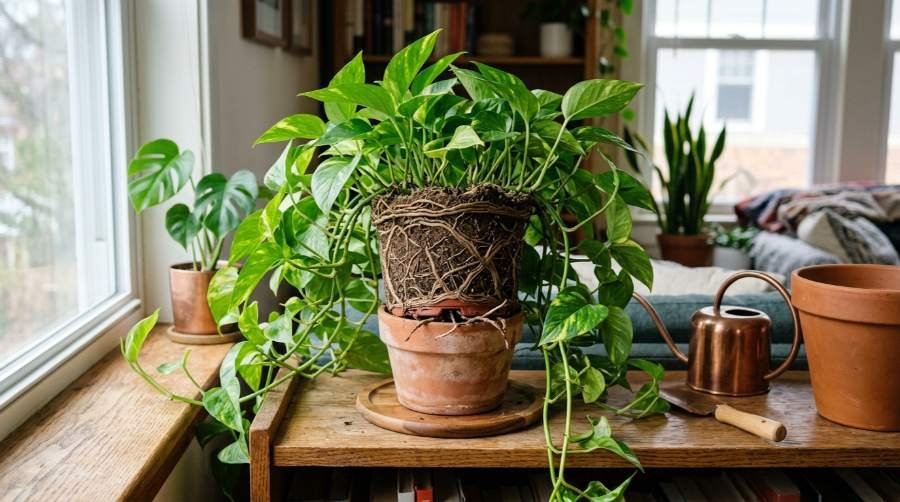
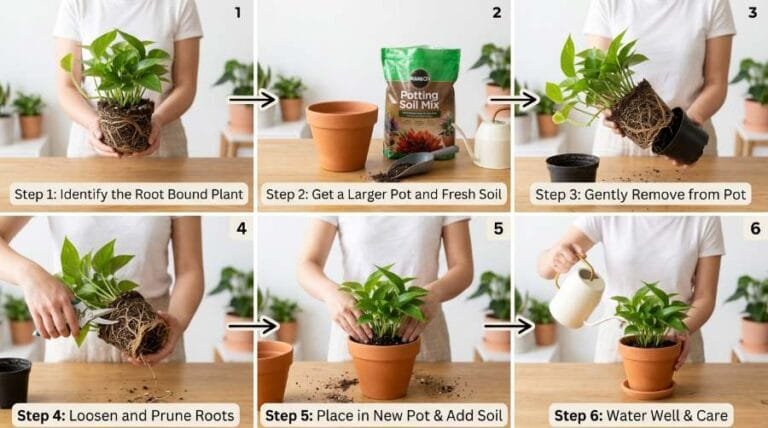
One detail worth remembering when you do repot: bigger isn’t always better. If a plant isn’t yet rootbound, moving it into a container that’s only slightly larger, rather than sizing up dramatically, helps avoid a common problem. An oversized pot holds more moisture than the roots can actually use, which raises the risk of overwatering and root rot down the line. Learn about root-bound plants from this article.
Month-by-Month Repotting Timeline
“Spring” is a four-month-wide answer, and it doesn’t tell you what to actually do with the plant sitting in front of you right now. Here’s a more specific breakdown.
| Month | Repotting Suitability | Notes |
|---|---|---|
| March to May | Best window | Active growth begins; fastest recovery, lowest risk |
| June to July | Good, with care | Still solid, but repot in early morning or evening to avoid heat stress |
| August to September | Transitional | Fine for minor upgrades; hold off on major root work |
| October to November | Avoid if possible | Growth is slowing down; recovery takes noticeably longer |
| December to February | Emergency only | Deep dormancy; repot only if the plant is in real trouble |
A few notes on reading this table correctly:
- These months assume a typical Northern Hemisphere growing pattern indoors, more on regional differences below.
- “Transitional” months aren’t off limits; they’re just not ideal for anything drastic, like a major size up or heavy root pruning.
- The emergency-only window doesn’t mean “never”; it means proceed carefully, which we’ll cover shortly.
Does the Best Time of Year Change With Grow Lights or a Warm Climate?
Here’s where most advice on this topic falls short: it assumes every plant experiences the same outdoor-style seasons, and indoors, that’s often not true.
A plant growing under a consistent grow light setup, or living in a warm, humid room year-round, doesn’t necessarily slow down in November the way an outdoor garden does. If your monstera is still pushing out new leaves in late October because it’s sitting under a full-spectrum light for 12 hours a day, that’s a stronger signal than the date on your calendar. Read this article to learn about the best grow lights for plants.
The same logic applies if you live somewhere with a genuinely warm climate, or if you’re reading this from the Southern Hemisphere, where spring falls in September through November instead of March through May. The rule itself doesn’t change, repot during active growth, but which months qualify as “spring” for your plant absolutely does.
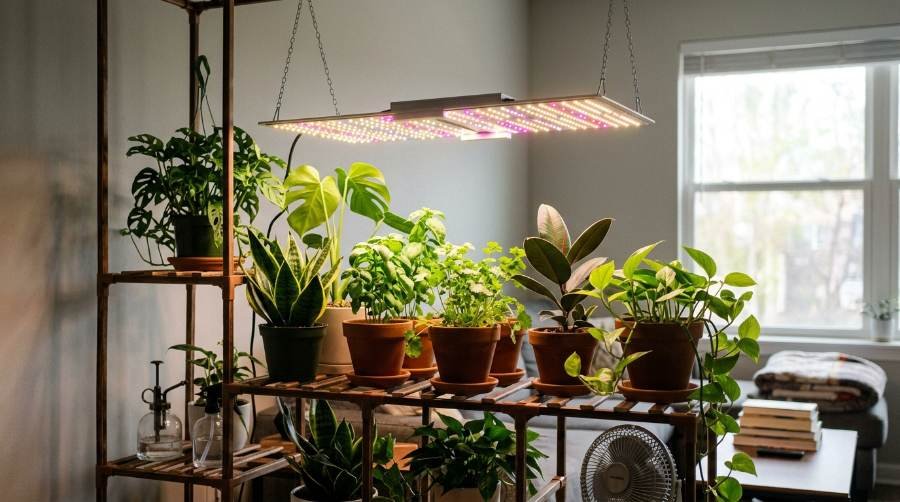
The practical takeaway:
Watch the plant, not just the month. New leaves unfurling, visible root activity, or a noticeable growth spurt are all signs that your plant is in its active phase, whatever the season happens to say outside your window.
What If You Need to Repot Outside the Ideal Season?
Life doesn’t wait for spring. Maybe you just brought home a new plant in a nursery pot with drainage holes packed full of roots, or maybe you didn’t notice how rootbound something had gotten until fall was already underway. Repotting outside the ideal window isn’t a mistake, it just calls for a different approach.
Here’s how to adjust:
- Size up minimally:
Move to a pot just one to two inches larger in diameter, not a dramatic jump. Less new soil means less excess moisture sitting around unused roots. - Hold off on fertilizer:
Skip feeding for four to six weeks after an off-season repot. New roots are fragile, and fertilizer salts can stress them further before they’ve had a chance to establish. - Keep conditions stable:
Place the plant somewhere warm, away from cold drafts, air vents, or drying heating units, which are especially common in fall and winter. - Watch your watering:
Repotted plants need enough moisture to help roots recover, but not so much that the soil stays soggy. Water thoroughly right after repotting, then let the top inch of soil dry out before watering again, this balance matters most in winter, when excess moisture is slower to evaporate. - Expect a slower recovery:
A plant repotted in October or November may sit still for several weeks before showing new growth. That pause is normal, it’s not a sign that something went wrong.
A severely rootbound plant may need an emergency repot even outside the ideal season, since leaving it too long in an overcrowded pot can cause more damage than an off-season repot would. And if you keep your plants actively growing through the colder months with grow lights, winter repotting is far less risky than the calendar alone would suggest.
Timing Exceptions: Flowering Plants and Slow Growers
Two categories of houseplants don’t follow the standard timeline quite as strictly.
Flowering plants:
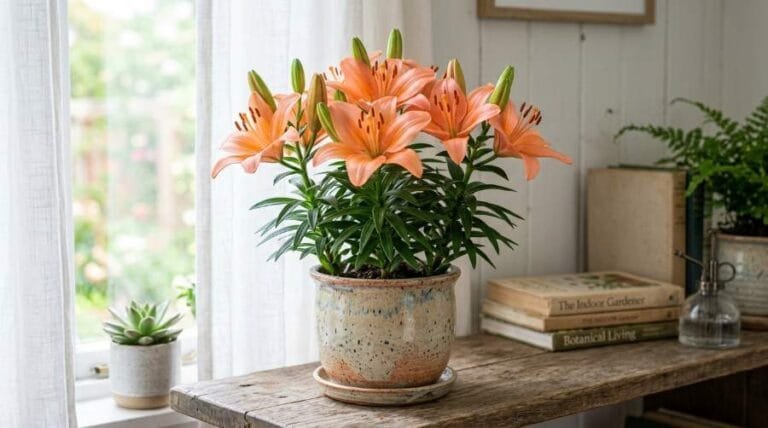
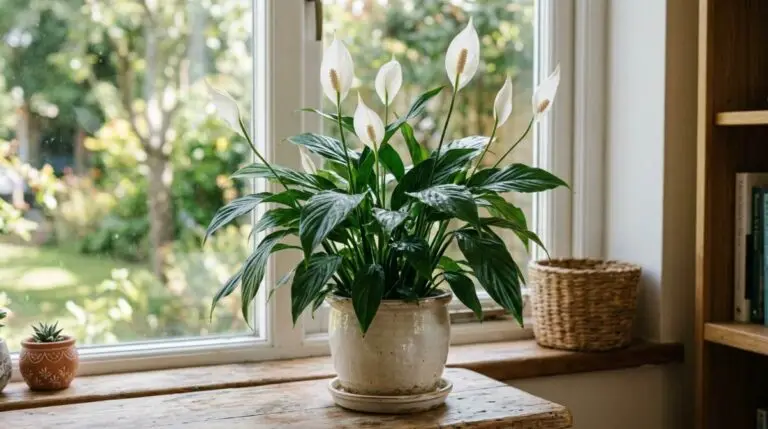
Think African violets, peace lilies, or orchids should wait until they finish blooming before being repotted, regardless of season. Repotting during active flowering redirects the plant’s energy away from its blooms and toward root recovery, which can cause flowers to drop early or buds to stall entirely.
Slow-growing plants:
Like succulents, cacti, and snake plants, they are far more forgiving of off-season repotting. Their root systems don’t demand the same rapid recovery window that a fast-growing pothos or philodendron does, so a repot in September or even October is unlikely to cause the same setback it would for a faster-growing plant.
Quick Answer Recap
- The best time of year to repot houseplants is spring through early summer, during active growth.
- Check that the plant is actually ready first: rootbound, size mismatched with its pot, or growing in depleted soil.
- Fall and winter repotting is best avoided for non-essential upgrades, but it’s fine when a plant genuinely needs it or lives under grow lights. Know the best time to repot plants in this guide.
- Flowering plants should wait until blooms finish; slow growers like succulents have more flexible timing.
- When in doubt, watch the plant’s actual growth activity over the calendar date, especially indoors under grow lights or in warm climates. Learn about summer plant care tips in this guide.