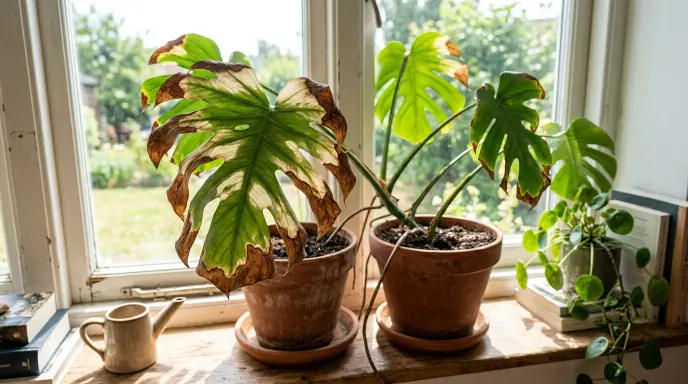
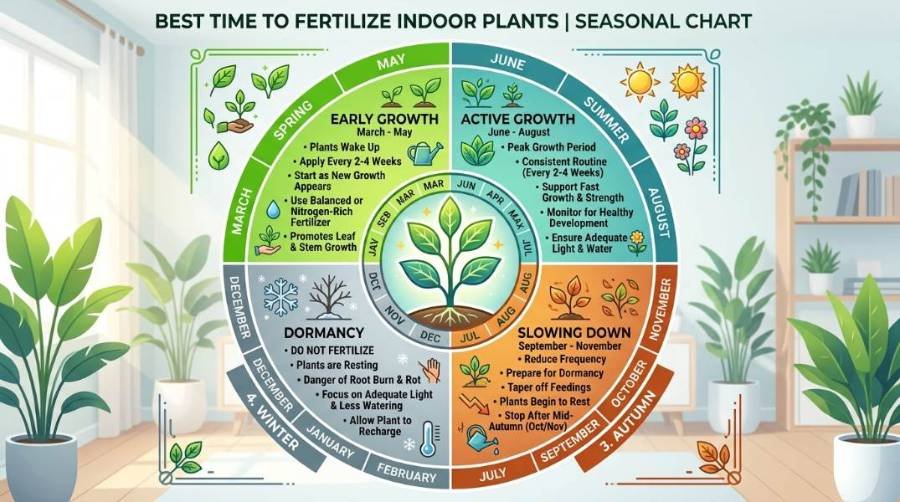
The best time to fertilize indoor plants is during their active growing season, typically spring through early fall (March to September or October in most temperate regions), when longer daylight and warmer temperatures allow plants to use nutrients effectively. Stop or sharply reduce feeding in fall and winter for the majority of houseplants.
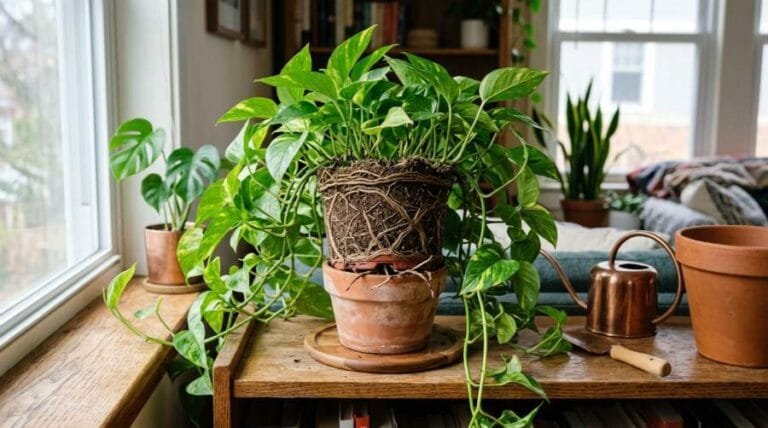
That’s the short answer. But if you’ve ever fed a plant on schedule and watched nothing happen, you already know the calendar only tells half the story. A few years ago I moved a pothos from a dim hallway to a south-facing window in late February. I fertilized it right on schedule that week, and it just sat there for a month before finally responding, because the plant, not the date on my phone, decides when it’s ready to grow. Learn about the best window direction for plants in this guide.
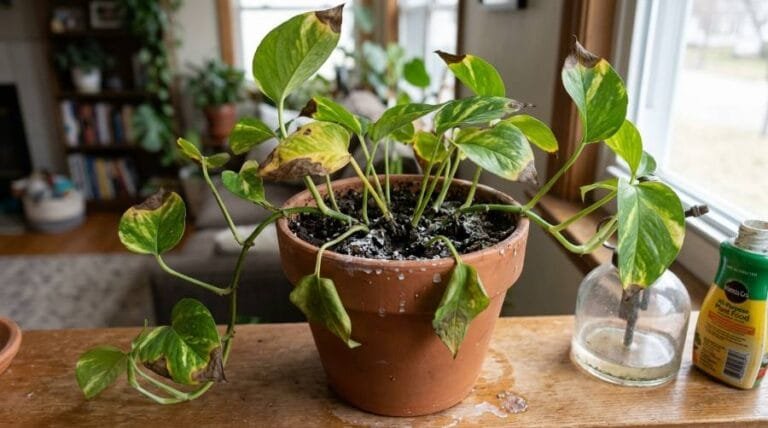
I once kept fertilizing a favorite pothos straight through a dark northern winter because it looked a little pale. By February, the tips were brown, and the soil had a white crust. A simple flush and a full rest until March turned it around faster than any extra feeding ever did. That single season taught me timing beats product every time.
New to houseplant care overall? Start with our Complete Beginner’s Guide to Indoor Plant Care for the basics before diving into fertilizer timing.
When Is the Best Time to Fertilize Indoor Plants? (Quick Answer)
The best time to fertilize indoor plants is during their active growing season, which for most houseplants falls between early spring and early fall.
- Active growth season: Roughly March through September or October
- Dormant season: Late fall through winter, when you should stop or cut back feeding
- How often to feed during active growth: Every 2 to 4 weeks with a balanced, diluted fertilizer
Outside that window, plants simply can’t use the nutrients you’re giving them, which is really the whole point of timing your feeding schedule correctly. One exception: Never fertilize a stressed or sunburned plant. Learn more in our sunburn recovery guide.
Season-by-Season Feeding Calendar for Indoor Plants
Here’s a simple breakdown of what’s happening with your plant each season and what that means for your fertilizing routine.
| Season | Months | What’s Happening | Fertilizing Action | Frequency |
|---|---|---|---|---|
| Spring | March–May | New growth resumes | Start light feeding, ramp up gradually | Every 3–4 weeks |
| Summer | June–August | Peak growth | Full-strength diluted fertilizer | Every 2–4 weeks |
| Early Fall | September–October | Growth slows | Taper off feeding | Every 4–6 weeks, then stop |
| Winter | November–February | Dormancy | Stop or feed minimally | Rarely, only if signs of growth appear |
This table is worth bookmarking, honestly, because it covers roughly 90% of common houseplants: pothos, philodendrons, snake plants, monstera, and similar tropical foliage. A handful of exceptions get their own section further down.
Not sure which fertilizer to use during these windows? Our comparison of Liquid vs Slow-Release Fertilizer for Indoor Plants breaks down which works best for each season.
Why Timing Matters More Than People Think
Fertilizer isn’t food in the way we think of food. It’s closer to a supply of raw materials that a plant can only use if it’s actively building new leaves, stems, and roots. During winter, shorter days and weaker light mean photosynthesis slows way down, and a plant’s root system stops actively pulling in nutrients the way it does in summer.
Feed a dormant plant anyway, and here’s what tends to happen:
- Salt buildup in the soil:
Unused fertilizer salts accumulate around the roots instead of being absorbed, which can show up as a white crust on the soil surface. - Root burn:
High salt concentration draws moisture out of root cells, leading to brown, crispy leaf tips and stunted growth. - Wasted product:
Fertilizer that isn’t taken up by the plant just sits there or washes out with the next watering, so you’re paying for nothing.
The University of Connecticut Extension and Iowa State University Extension both note that houseplant fertilizing should track a plant’s active growth period rather than a fixed calendar date, since indoor growing conditions vary so much from home to home (UConn Home & Garden Education Center; Iowa State University Extension and Outreach).
How to Fertilize Indoor Plants: A Beginner’s Step-by-Step Guide here for full product selection, NPK explanation, and application methods.
Beyond the Calendar: A Plant-Signal Decision Framework
Calendar months are a useful starting point, but the best time to fertilize indoor plants is ultimately decided by the plant itself.
Watch for these four signals:
- New leaves or shoots appearing.
- Soil drying out noticeably faster than it did a month earlier.
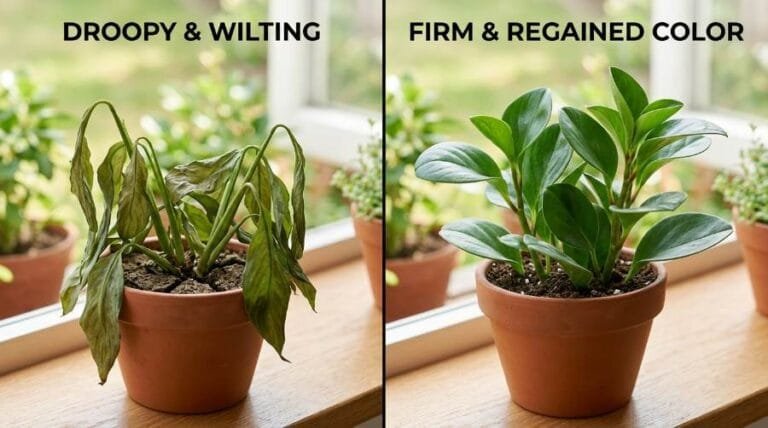
- Firm, healthy foliage rather than pale or limp growth.
- Adequate light reaching the plant (natural or supplemental).
If at least two of these are present, it is safe to feed. If none are present, wait. This approach works in any climate and with any lighting setup. It also prevents the common habit of feeding on a fixed schedule simply because the calendar says so.
Grow lights change the picture. Consistent daily light can keep some plants in active growth year-round. In that case, the best time to fertilize indoor plants stretches longer, but still at reduced strength and only when new growth is visible. Use-style room where the “typical” spring-to-fall window doesn’t line up as neatly.
Exceptions to the Seasonal Rule
The general spring-through-fall rule works for most houseplants, but there are a few situations where it doesn’t apply cleanly.
Winter-Growing Plants
Not every plant follows the same clock. Some orchids, Christmas cactus, and cyclamen actually put out new growth or flowers during the colder months. If yours is one of them, feed it weakly and less often: think every other watering, at quarter strength, rather than skipping feeding entirely. Learn about how to protect winter plants from cold in this guide.
Newly Purchased or Repotted Plants
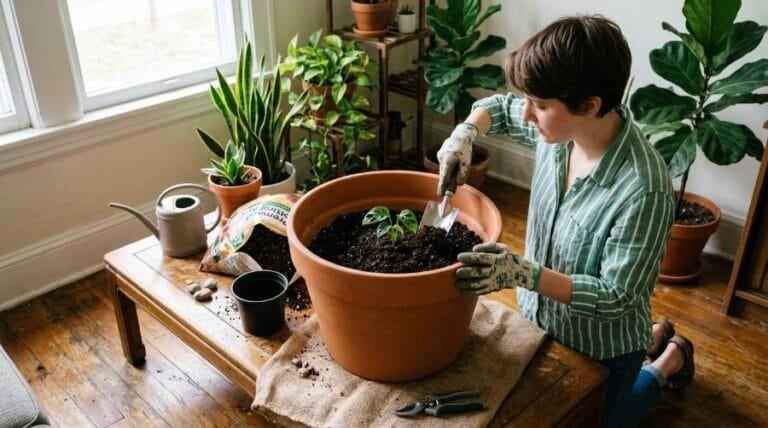
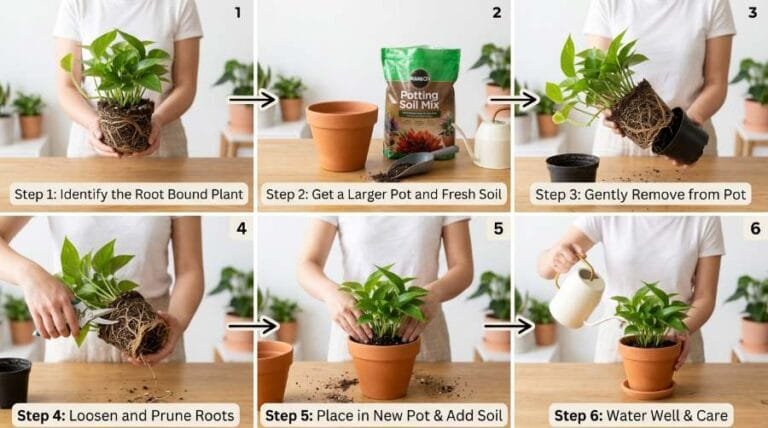
Hold off on fertilizing a new or freshly repotted plant for 6 to 12 months. Most quality potting mixes already contain a slow-release nutrient charge, so adding fertilizer on top of that can overwhelm a root system that’s still settling in. Learn about the best time to repot a plant in this guide.
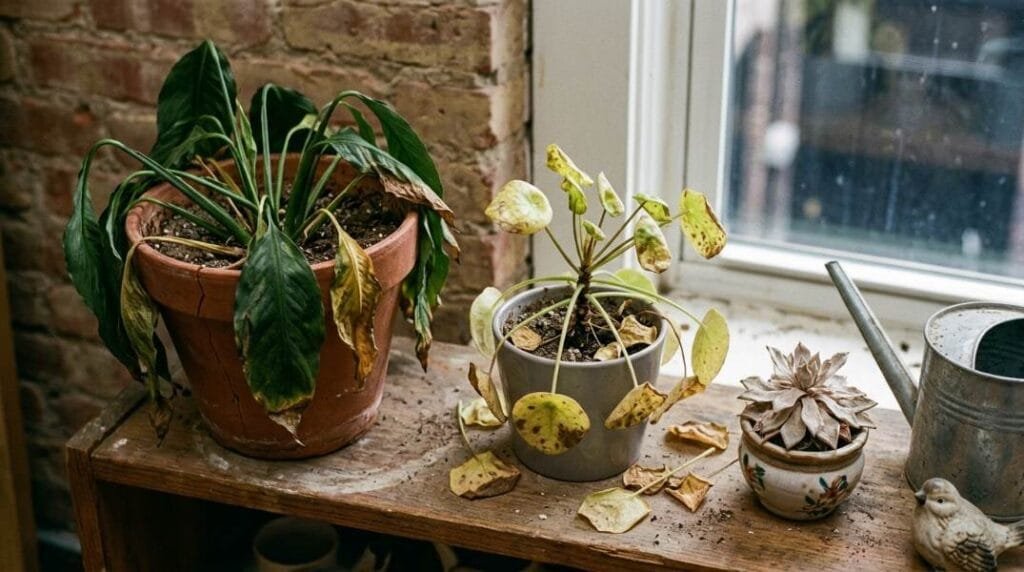
Stressed, Sick, or Underwatered Plants
A struggling plant does not need food; it needs recovery. Fertilizing a stressed plant adds a chemical burden right when it’s least equipped to handle one. Wait until you see stable, healthy growth again before resuming a normal feeding schedule. Know about the fertilizing indoor plants guide in this article.
Plants Under Grow Lights
If a plant sits under artificial grow lights for 12+ hours a day year-round, it may not go fully dormant the way it would on a windowsill. In that case, a light, reduced feeding schedule through winter, rather than stopping completely, often works better. Watch for the same growth signals mentioned above rather than assuming the plant needs a full break. Know about the best grow lights in this article.
Does the Best Time to Fertilize Indoor Plants Change by Plant Type?
Yes, and this is another spot where a single blanket rule falls short.
| Plant Type | Active Growth Season | Feeding Frequency | Notes |
|---|---|---|---|
| Tropical foliage (pothos, monstera, philodendron) | Spring–early fall | Every 2–4 weeks | Follows the standard calendar closely |
| Succulents & cacti | Spring–summer, shorter window | Every 4–6 weeks | Feed lightly; these plants are easy to over-fertilize |
| Flowering houseplants (African violets, peace lily) | Varies with bloom cycle | Every 2–4 weeks during blooming | Feeding tied more to flowering than to season alone |
| Ferns | Spring–summer | Every 4–6 weeks | Light, infrequent feeders even during active growth |
Common Timing Mistakes to Avoid
A few habits quietly undo all the good timing work above:
- Fertilizing bone-dry soil, which concentrates salts right at the roots.
- Feeding a plant immediately after repotting it.
- Sticking to full-strength summer feeding once fall arrives.
- Assuming every plant in your home follows the same schedule.
For a deeper breakdown of these and other feeding errors, see our full guide on Common Fertilizer Mistakes and How to Fix Them
Quick Reference: Sample Fertilizing Schedule
A simple, save-it-for-later version of everything above:
- March–April:
Begin light feeding as new growth appears - May–August:
Full-strength diluted fertilizer every 2–4 weeks - September–October:
Cut back gradually to every 6 weeks - November–February:
Stop feeding most plants; check winter-growers individually
Frequently Asked Questions
Can you fertilize indoor plants in winter?
Generally, no. Most houseplants are dormant and can’t use the nutrients, which raises the risk of salt buildup and root burn. The exception is winter-blooming plants like Christmas cactus or certain orchids, which can be fed lightly if they’re actively growing.
What is the best month to start fertilizing houseplants?
March is a common starting point for most Northern Hemisphere homes, but the better marker is new growth, not the month itself. Once you see fresh leaves or faster soil drying, it’s time to start.
How do I know when to stop fertilizing for the season?
Watch for slower growth and longer gaps between waterings, usually starting in September or October. Taper your feeding gradually rather than stopping all at once.
Do all houseplants follow the same fertilizing schedule?
No. Succulents and ferns need far less frequent feeding than tropical foliage plants, and flowering plants often need feeding tied to their bloom cycle rather than the general season.
The Bottom Line
The best time to fertilize indoor plants is during active growth, generally spring through early fall, but the calendar is only a starting point. Timing your fertilizing correctly is important, but it’s only one part of plant health. How to Diagnose Indoor Plant Problems helps you identify and fix all kinds of plant issues. New leaves, faster-drying soil, and longer daylight hours are the real signals that your plant is ready to be fed, and paying attention to them will save you more fertilizer from being wasted and more roots from burning than any date range ever could. Learn about our Synthetic vs Organic Fertilizer in this guide.