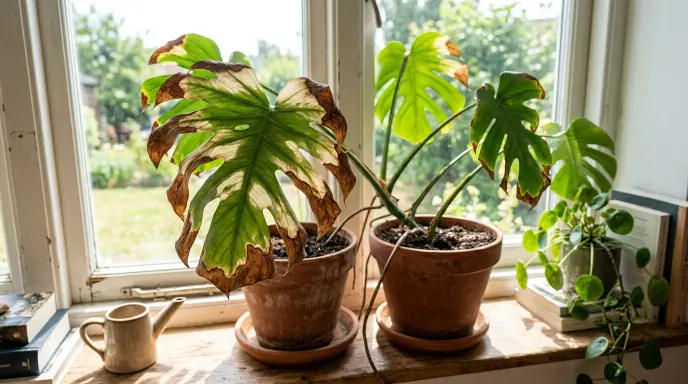
The most common fertilizer mistakes are overfeeding, applying fertilizer to dry soil, ignoring NPK ratios, neglecting soil pH, and feeding at the wrong time. Every one of these is fixable, and most plants recover fully if you catch the problem early. The real skill isn’t avoiding every mistake forever, it’s knowing how to spot one before it becomes permanent damage.
If you’ve ever looked at a crispy leaf edge or a plant that suddenly stalled after a feeding, you’ve likely run into one of these common fertilizer mistakes already. Let’s walk through each one, how to spot it, and exactly how to fix it, along with the fertilizer application mistakes that quietly do the most damage. Fertilizing a sunburned plant can make things worse. Follow our step-by-step sunburn guide for the right timing.
A quick story:
My first year growing tomatoes, I fed them a high-nitrogen fertilizer meant for lawns. I got the most beautiful, lush green plants on the block, and almost no tomatoes. That one mismatch taught me fertilizer isn’t one-size-fits-all.
If you’re brand new to plant care in general, our Complete Beginner’s Guide to Indoor Plant Care covers light, soil, and watering alongside fertilizing, so you’ve got the full picture in one place.
Why Fertilizer Mistakes Are So Easy to Make
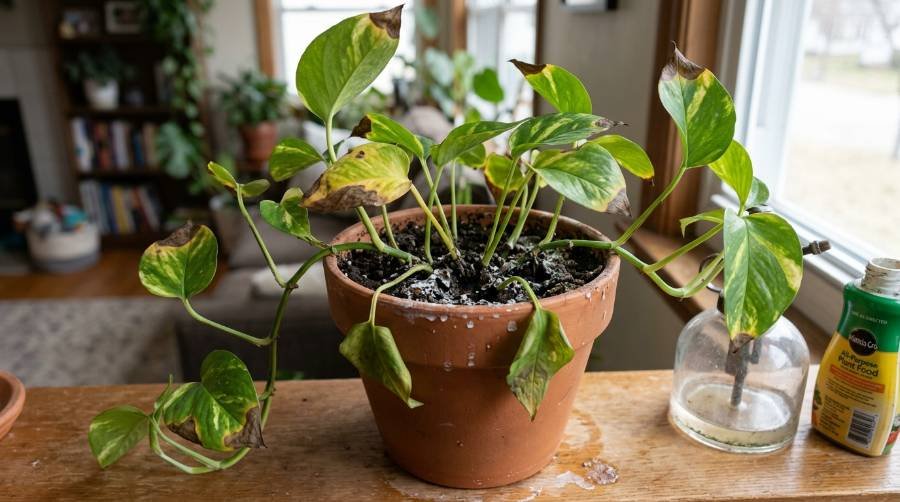
Most common fertilizer mistakes don’t come from carelessness, they come from good intentions. People assume more nutrients mean faster growth, or that any fertilizer is better than none. The tricky part is that fertilizer mistakes are often invisible for days or even weeks before symptoms show up. By the time you notice yellowing leaves or stunted growth, the problem has usually been building quietly in the soil for a while.
That delay is exactly why so many gardeners repeat the same mistakes season after season, without ever connecting the cause to the effect.
Mistake #1: Overfeeding and Using Too Much Fertilizer
The Mistake
The most common fertilizer mistake by far is assuming more fertilizer means bigger, faster growth. In reality, excess fertilizer creates weak, soft growth, damages roots, and can even attract pests that are drawn to stressed plants. Learn what root rot is from this guide.
How to Spot It
Watch for these early warning signs of this common fertilizer mistake:
- Leaf tips turning brown or crispy.
- A white, crusty layer forming on top of the soil.
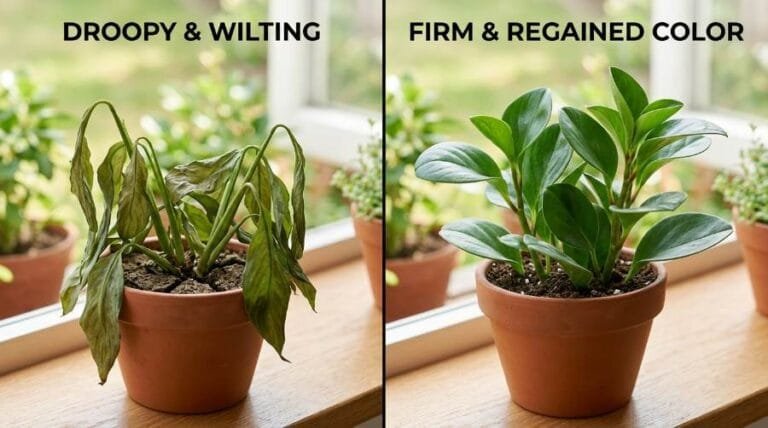
- Sudden wilting even though you’ve been watering consistently.
- Growth actually slowing down shortly after a feeding, instead of speeding up.
The Fix
Fixing this common fertilizer mistake starts with dialing back, not adding more:
- Follow package instructions exactly, resist the urge to add “just a little extra”.
- Use a half-strength solution for young or already-stressed plants.
- Flush burned soil with deep, slow watering to clear out excess salts.
Flushing works because it dilutes and drains the salt concentration that’s stressing the roots in the first place, giving the plant a chance to recover before more damage sets in.
Mistake #2: Applying Fertilizer to Dry Soil
The Mistake
Spreading dry or liquid fertilizer onto bone-dry soil is one of the most common fertilizer mistakes, concentrating salts right at the root zone instead of spreading them out evenly. That concentration is what burns delicate root hairs on contact.
The Fix
- Water your plant before applying any fertilizer.
- Apply the fertilizer as directed.
- Water again immediately after, to carry nutrients safely down toward the roots. Learn about the long-spout watering can in this article.
One detail most guides skip:
Check soil moisture about two inches down, not just the surface. Topsoil can look damp while the soil just below is still completely dry, which is exactly the condition that leads to root burn.
Mistake #3: Ignoring NPK Ratios and Plant-Specific Needs
The Mistake
NPK stands for Nitrogen, Phosphorus, and Potassium, the three main nutrients in most fertilizers. Ignoring these ratios is one of the most common fertilizer mistakes: grabbing a generic, all-purpose fertilizer for every plant without considering what that specific plant actually needs.
Tomatoes are the classic example. A high-nitrogen fertilizer produces lush, dark green leaves, but very little fruit, because nitrogen fuels leafy growth at the expense of flowering and fruiting.
The Fix
Match the fertilizer’s NPK ratio to the plant type and its growth stage:
- Leafy greens and lawns generally benefit from higher nitrogen levels.
- Flowering and fruiting plants need more phosphorus and potassium once blooms start forming.
- Root vegetables benefit from higher phosphorus, especially early in growth.
Mistake #4: Neglecting Soil pH Levels
The Mistake
Even the right fertilizer won’t help if your soil pH is too high or too low, and this is one of the common fertilizer mistakes that’s easiest to overlook. Extreme pH levels chemically lock up nutrients, so roots simply can’t absorb them, a problem called nutrient lockout. The frustrating part is that nutrient lockout looks exactly like a nutrient deficiency, even though the nutrients are technically already sitting in the soil.
The Fix
- Test your soil pH once a year using an inexpensive home kit
- Amend acidic soil with lime
- Amend alkaline soil with sulfur
- Retest before adding more fertilizer, rather than assuming a stronger dose will fix the problem
Mistake #5: Fertilizing at the Wrong Time
The Mistake
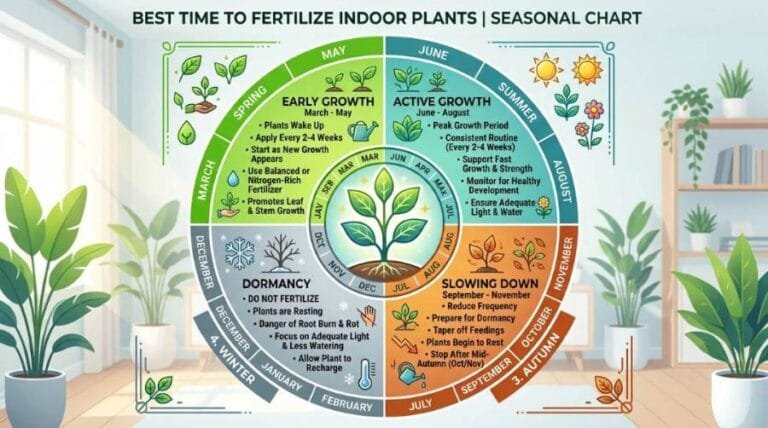
This one rarely makes it onto lists of common fertilizer mistakes, but it’s just as damaging. Fertilizing during dormancy (typically late fall and winter for most plants), during extreme heat, or right after transplanting puts nutrients in front of roots that are stressed or simply not active enough to use them. Learn about the right fertilizing time from this guide.
The Fix
Avoiding this common fertilizer mistake just takes better timing:
- Fertilize during active growth periods, usually spring through summer for most plants
- Avoid feeding within 2 to 4 weeks of transplanting
- Skip fertilizing entirely during heatwaves or drought stress
How to Know If It’s Already Too Late
Not every common fertilizer mistake ends the same way. Here’s how to gauge severity:
- Recoverable: Yellowing leaf tips, mild wilting, a crusty layer on topsoil. Flush the soil, adjust your routine, and most plants bounce back within 1 to 2 weeks.
- Serious but treatable: Widespread leaf browning, stunted new growth. This may call for a closer root inspection and, in severe cases, replacing the top layer of soil.
- Likely fatal: Blackened, mushy roots, or total leaf drop with no new growth even after correcting the mistake. At this stage, the root system may be too damaged to bounce back.
Knowing which category you’re in changes what you do next, and it’s the difference between panicking and actually fixing the problem.
Common Fertilizer Mistakes: Quick Reference Table
Here’s a fast-scan summary of the common fertilizer mistakes covered above:
| Mistake | Root Cause | Fix |
|---|---|---|
| Overfeeding | “More is better” thinking | Follow package rate, use half-strength |
| Dry soil application | Salts concentrate at root zone | Water before and after applying |
| Wrong NPK ratio | Generic fertilizer for all plants | Match NPK to plant type and stage |
| Ignoring soil pH | Nutrient lockout | Test annually, amend with lime or sulfur |
| Wrong timing | Fertilizing during dormancy or stress | Feed only during active growth |
Frequently Asked Questions
These are the questions people ask most often about common fertilizer mistakes.
What happens if you use too much fertilizer?
Too much fertilizer causes root burn, weak or soft growth, and can attract pests to stressed plants. In severe cases, it damages the root system enough that recovery becomes difficult.
How do you fix over-fertilized soil?
Flush the soil with slow, deep watering to dilute and drain excess salts. Stop feeding for several weeks, then resume at half-strength once new growth looks healthy again.
Can wrong fertilizer timing kill a plant?
Yes, especially if fertilizer is applied during dormancy, extreme heat, or right after transplanting, when roots are too stressed or inactive to process the added nutrients safely.
How often should you test soil pH?
Testing once a year is generally enough for most home gardens, though container plants or areas with known pH issues may benefit from checking every 6 months.

Key Takeaway
Common fertilizer mistakes are some of the most fixable problems in plant care, but only if you catch them early. Overfeeding, dry soil application, wrong NPK ratios, ignored soil pH, and bad timing are the fertilizer mistakes to avoid, and each one leaves clues before real damage sets in. Learn to read the guideline: How to Fertilize Indoor Plants: A Beginner’s Step-by-Step Guide. Sometimes plant problems look like fertilizer issues but are actually caused by pests or diseases. How to Diagnose Indoor Plant Problems helps you tell the difference.
If fertilizer type is part of your confusion, our Organic vs Synthetic Fertilizer: A Complete Comparison Guide and Liquid vs Slow-Release Fertilizer for Indoor Plants break down how to choose the right one before these mistakes even become a risk.