How to Get Rid of Mealybugs on Houseplants for Good (6-Week Treatment Plan)
Mealybugs return when treatment stops before the egg cycle finishes. This six-week protocol covers identification, the treatment schedule, root mealybugs, and prevention.
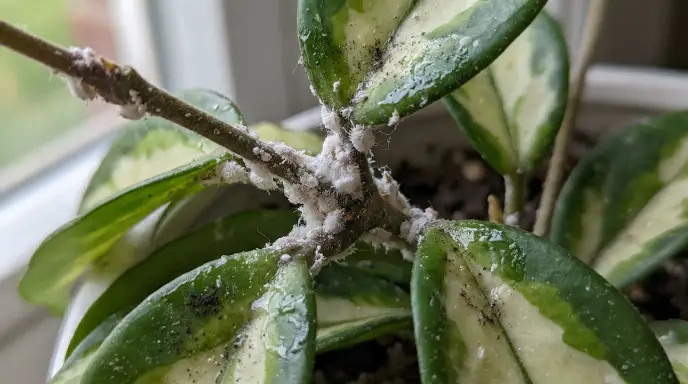
Mealybugs return when treatment stops before the egg cycle finishes. This six-week protocol covers identification, the treatment schedule, root mealybugs, and prevention.
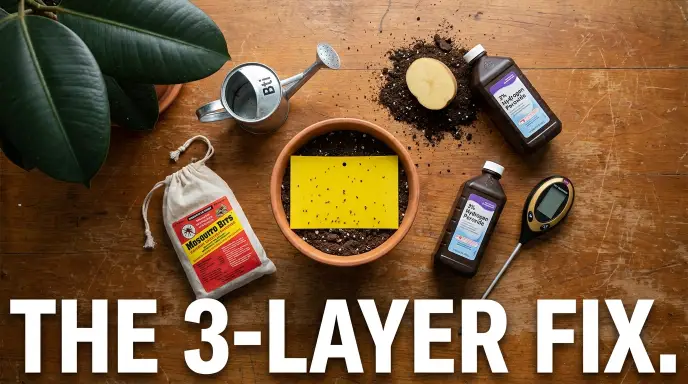
Getting rid of fungus gnats takes three to four weeks, not one day. Here’s the 3-layer method that targets adults, larvae, and the wet soil causing them — plus why the apple cider vinegar trap everyone recommends doesn’t actually work.
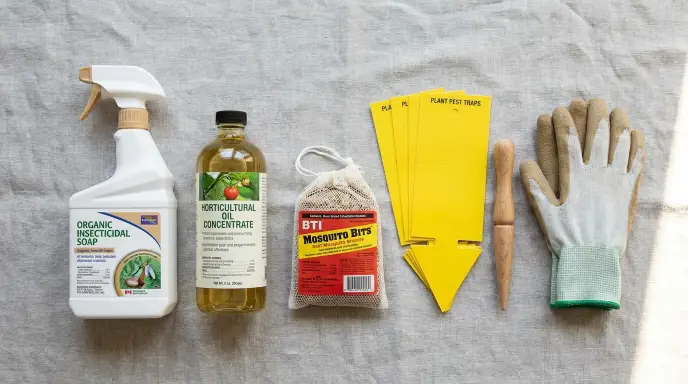
Comparison table, pros and cons, and a buying guide for the 8 houseplant pest control products worth owning — plus exactly which pest each one kills, and which popular products quietly do nothing.
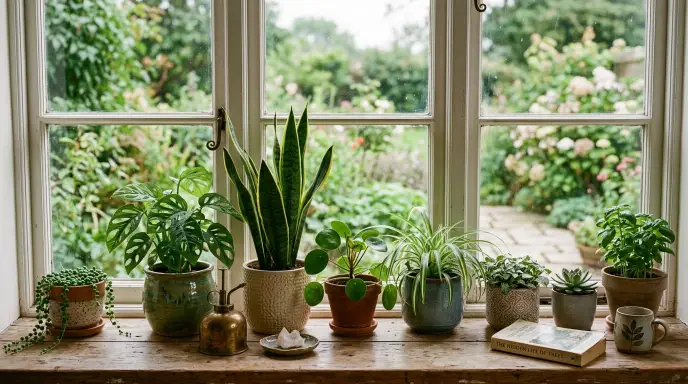
The best ceramic pots for plants combine a drainage hole (or saucer) with the right glaze type for what you’re growing, and most people get this wrong. If you plant a succulent in a fully glazed pot with no drainage, it’s only a matter of time before the roots rot. Our top pick for most…
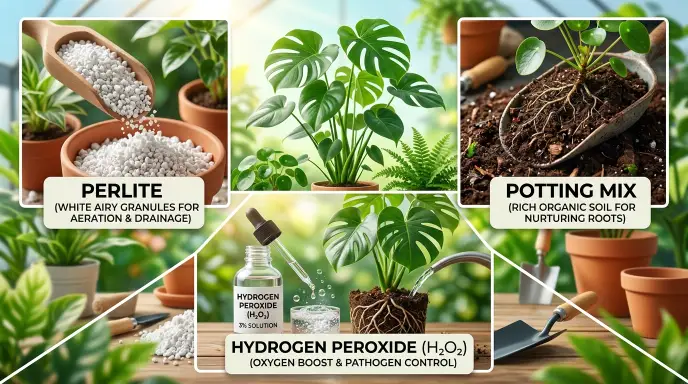
Quick Summary: Root rot is a destructive condition caused by fungi and fungus-like organisms that thrive in wet, poorly drained soil. It attacks stressed or weakened plants, turning healthy white roots into brown, mushy, foul-smelling messes. Root rot is one of many problems that can affect houseplants. How to Diagnose Indoor Plant Problems walks you through identifying…
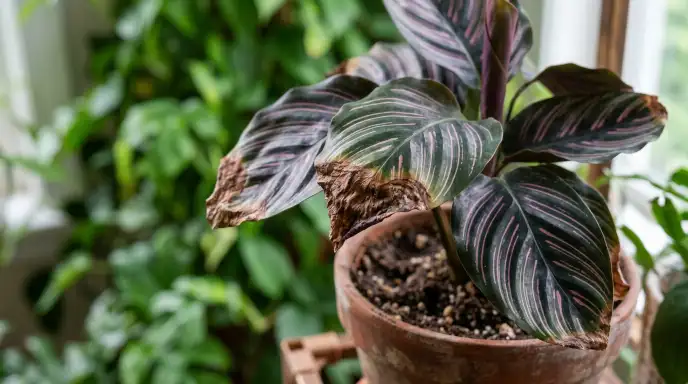
You have been watering. You have moved it closer to the window, then farther away. You have even apologized to it. Yet somehow, your plant’s leaves are turning brown, crispy, and brittle, and you have no idea why. Before you diagnose crispy leaves as a watering issue, check if it’s bacterial, fungal, or sunburn. Take…
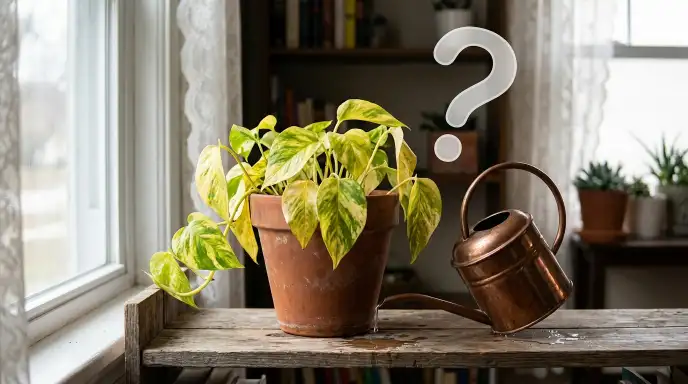
Quick Answer Overwatered plants have soft, yellow, mushy leaves and wet, soggy soil that may smell sour. Underwatered plants have dry, crispy leaves with brown edges and bone-dry soil that pulls away from the pot sides. Learn how to fix root rot from this guide. Overwatering isn’t the only thing that can make your plant look weak; low light can also cause stretched-out,…
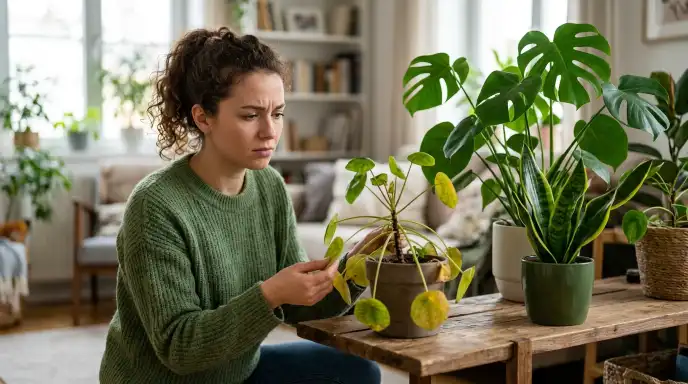
The Short Answer: Why is my houseplant dying? Most houseplants die from overwatering, not underwatering, not lack of light, not pests. When you water too often, the roots suffocate, rot, and can no longer deliver water to the leaves. The leaves wilt and turn yellow even though the soil is wet. Beginners see wilting, assume…
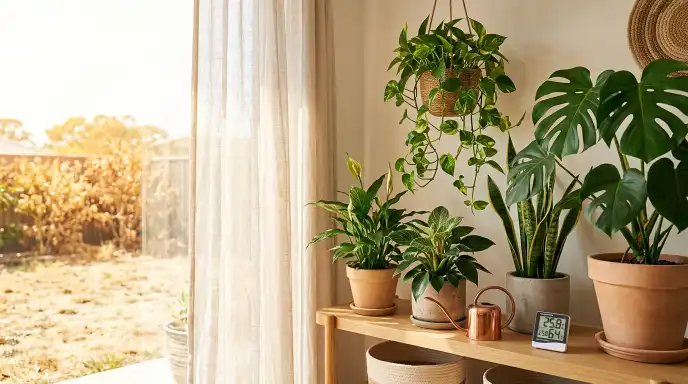
Extreme summer heat can be hard on houseplants, even when they are growing indoors. Hot windows, intense sunlight, faster soil evaporation, low humidity and air conditioning can cause plants to wilt, develop brown leaves, curl their foliage or stop growing. Getting watering right is step one. Here’s how to spot other issues. If your plant…
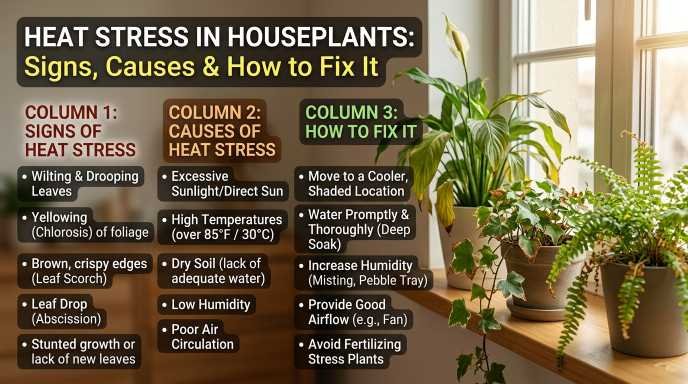
Heat stress in houseplants occurs when excessive heat causes the plant to lose water faster than its roots can replace it. Common signs include wilting, curled or rolled leaves, crispy brown edges, scorched or bleached foliage, leaf drop, and stalled growth. The quickest way to help a heat-stressed houseplant is to reduce intense heat and…
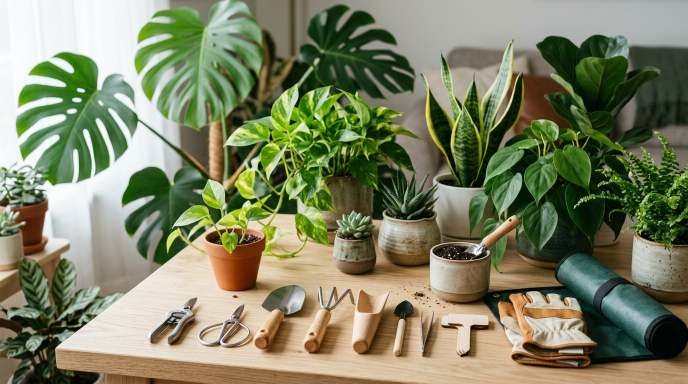
If you want one convenient indoor gardening tool kits for watering, pruning, repotting, and maintaining your houseplants, an indoor gardening tool kit can save you from buying everything separately. The best indoor gardening tool kit for most houseplant owners is one that combines a quality pruning tool, small soil tools, and useful repotting accessories without…
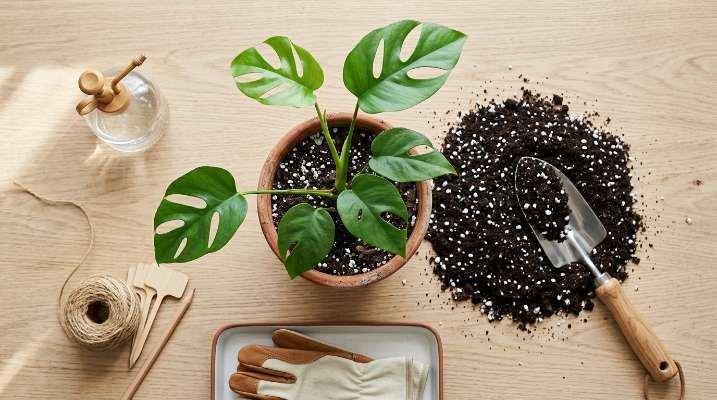
If you’ve ever watched a prized houseplant slowly decline despite regular watering, the culprit might not be your green thumb; it’s likely what’s in your pot. 1. Miracle-Gro: Best for beginners, budget-friendly, and widely available.2. Back to the Roots: Top organic, peat-free choice.3. FoxFarm Happy Frog: Rich nutrient mix, ideal for established tropicals.4. FoxFarm Ocean…
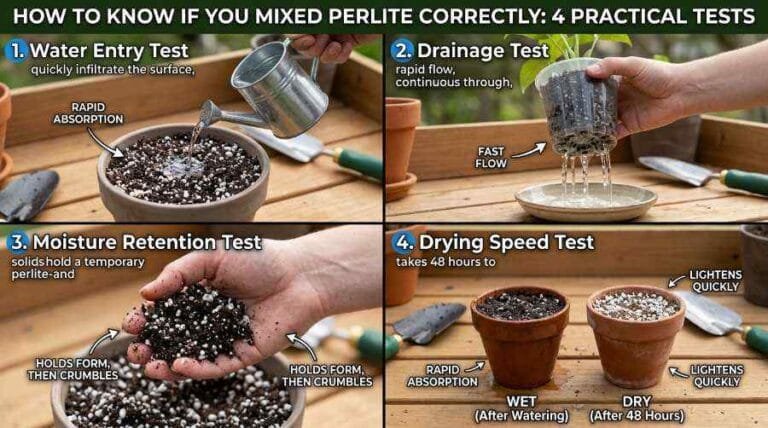
Measure your potting mix and perlite separately by volume, using the plant-specific range in the table below as your starting point, combine them in a container outside the pot, and mix until the perlite is spread evenly rather than clumped in one spot. Pot up, water thoroughly, then watch how the mix drains over the…
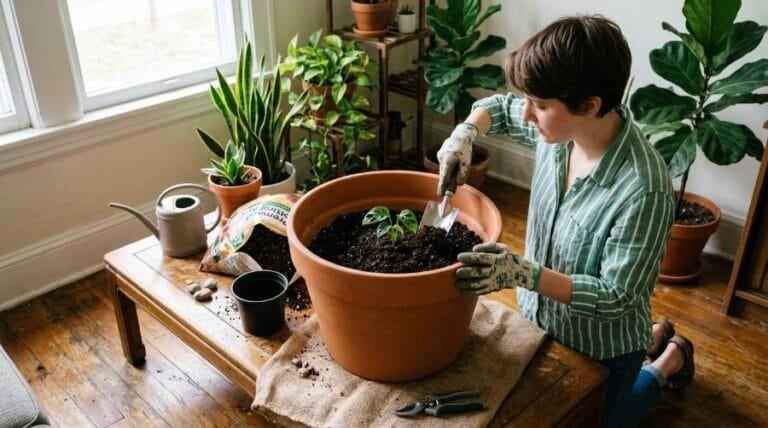
The most common repotting mistakes are sizing up into too large a pot, skipping drainage holes, using the wrong soil, repotting at the wrong time of year, and disturbing a plant that’s already stressed. Any one of these can slow a plant down for weeks, and a couple of them can kill it outright if…
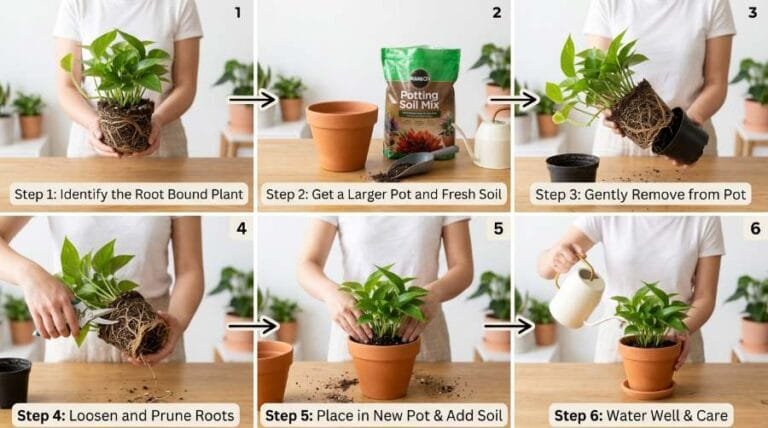
A root-bound plant is one whose roots have filled every bit of space inside the pot and begun circling the container walls instead of spreading outward as they normally would. It’s one of the most common issues in houseplant care, and it’s rarely fatal on its own, but left unaddressed for too long, it can…
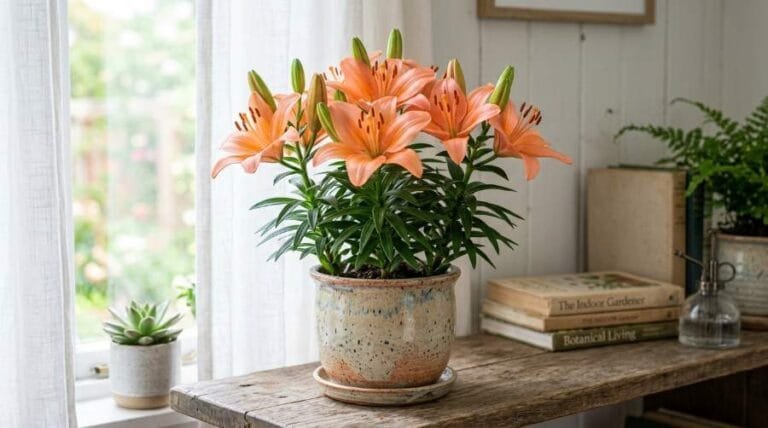
The right pot size for houseplants is only 1 to 2 inches wider in diameter than the plant’s current root ball. Anything bigger sounds generous, but it usually causes more harm than good. Anything smaller and the plant simply outgrows its space too fast. That one rule solves most of the guesswork, but it doesn’t…
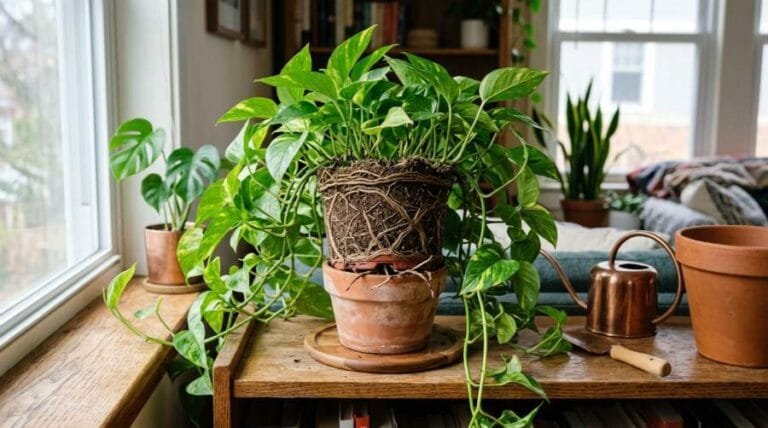
The best time of year to repot houseplants is from spring through early summer, when your plant is actively growing. That’s when roots recover fastest, new soil is used most effectively, and the whole process causes the least stress. Outside that window, repotting still works; it just takes more patience and a gentler hand. If…
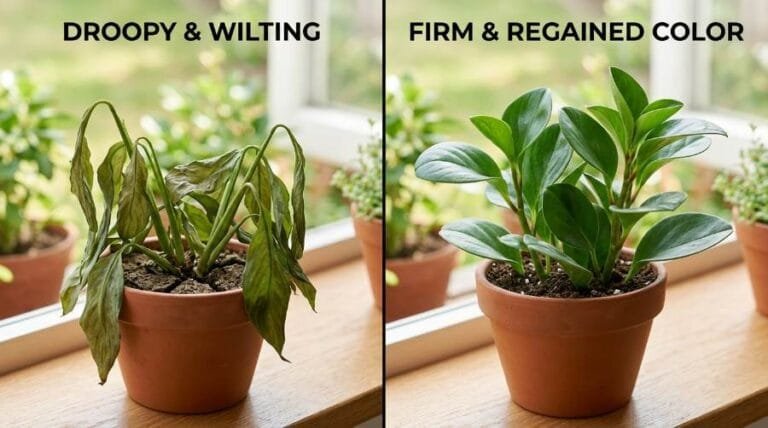
You can repot a houseplant without killing it by choosing a pot only 1-2 inches larger than the current one, gently loosening the roots instead of pulling them hard, using fresh, well-draining soil suited to your plant, and doing the whole job during spring or summer when the plant is actively growing. Water deeply right…
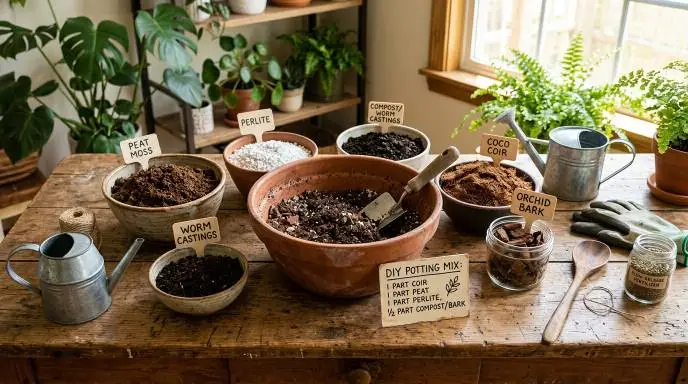
Making your own indoor potting mix is one of the best things you can do for your houseplants. It saves you money, eliminates pests, and gives you complete control over drainage and nutrition. Store-bought mixes often hold too much water or break down too quickly. If you’re unsure what’s wrong with your current plant, How to…
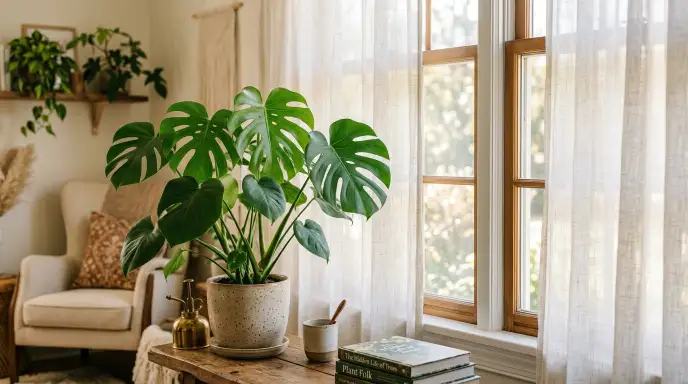
What Is Bright Indirect Light? Bright indirect light is bright, filtered natural light that reaches a plant without direct sun rays landing on its leaves. It’s the light you get a few feet back from a south-facing window, or behind a sheer curtain. It’s bright enough to cast a soft shadow but not warm on…